
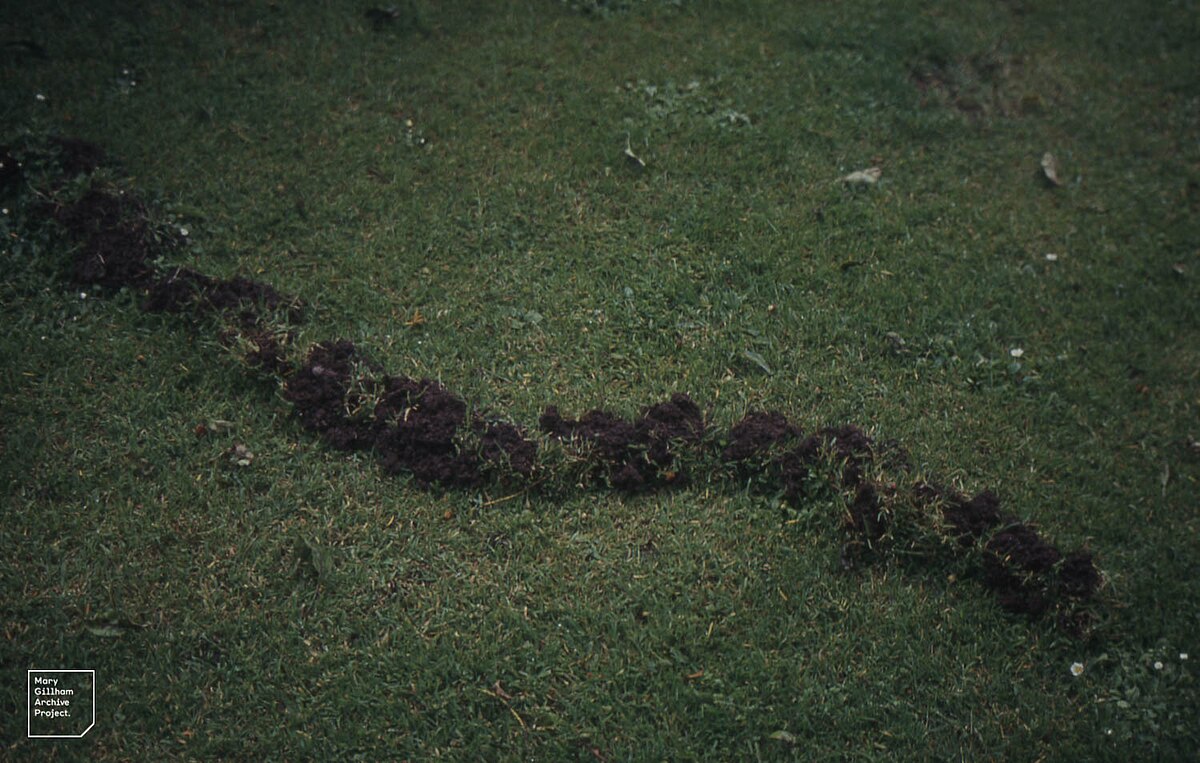
You walk out one morning and your lawn looks like something tunneled underneath it. Raised ridges criss-cross the yard. Mounds of dirt pop up near the flower bed. Congratulations, you have moles. They are one of the most frustrating yard pests in northeast Indiana, and most of the advice you hear about them is wrong.
Why Moles Are in Your Yard
Moles are not eating your grass or your garden. They are insectivores. Their diet is almost entirely earthworms, grubs, and other soil insects. Purdue Extension's wildlife management guide explains that the eastern mole (Scalopus aquaticus), which is the species common in Indiana, can eat 70 to 100 percent of its body weight in insects and worms every single day.
If moles are tearing up your yard, it means your soil has a healthy population of food for them. Ironically, some of the best-maintained lawns have the worst mole problems because well-watered, well-fertilized soil supports more earthworms and grubs.
There is a common belief that killing grubs will get rid of moles. Purdue Extension addresses this directly: treating for grubs may reduce one food source, but moles eat far more earthworms than grubs. Since you cannot and should not eliminate earthworms (they are essential for soil health), removing grubs alone usually does not solve a mole problem.
Understanding the Tunnels
Moles make two types of tunnels, and knowing the difference matters for control.
Surface tunnels (feeding runs): These are the raised ridges you see across your lawn. The mole pushes through the top few inches of soil looking for food. Many surface tunnels are used only once. The mole digs them, eats what it finds, and moves on. Purdue Extension notes that you can step on a surface tunnel to flatten it. If it is raised again within 24 to 48 hours, it is an active, frequently-used run.
Deep tunnels: These are permanent highways, usually 6 to 12 inches underground. You cannot see them, but they connect the mole's nest to its feeding areas. The mole hills (dirt mounds) are where the mole pushed excavated soil up from these deeper tunnels. Deep tunnels are used repeatedly over long periods.
For control purposes, you need to find the active runs. Ohio State Extension recommends stomping down all visible surface tunnels, then checking the next day to see which ones are rebuilt. Those are the active runs where the mole travels regularly.
What Actually Works
Trapping. This is the most reliable and effective mole control method according to Purdue Extension, Ohio State Extension, and virtually every land-grant university in the Midwest. Scissor-jaw traps and harpoon traps placed in active runs have the highest success rate.
Trapping is not complicated, but it requires some skill in identifying active runs and setting the traps properly. Purdue Extension's guide walks through the process: find an active run, dig a small section out, place the trap, and cover it to block light. Check traps daily.
If trapping sounds like too much trouble, wildlife control operators (licensed by the Indiana DNR) can do it for you. This is often the most practical option for homeowners who want the problem solved without the learning curve.
Baits. Bromethalin-based mole baits shaped like earthworms (such as Talpirid) are placed in active runs. The mole eats the bait thinking it is a worm. Purdue Extension lists these as an effective alternative to trapping when used according to label directions. Placement in confirmed active tunnels is critical.
What Does NOT Work
This is where mole control gets frustrating, because the market is flooded with products that do not work. Purdue Extension and other research institutions have tested many of these and found no evidence of effectiveness.
Castor oil repellents. These are the most commonly sold mole products. Research from multiple universities, including Purdue, has found that castor oil-based repellents provide little to no meaningful mole control. The moles may temporarily shift their activity, but they do not leave the area.
Sonic and vibration devices. Those solar-powered stakes that supposedly drive moles away with vibrations? Purdue Extension and Michigan State Extension have both found no evidence that these devices work. Moles will tunnel right next to them.
Mothballs, gum, broken glass, or human hair. None of these home remedies have any scientific support. Some (like mothballs) are actually illegal to use for this purpose because it is an off-label pesticide application.
Grub treatment alone. As mentioned above, eliminating grubs removes only a small portion of the mole's diet. Earthworms make up the majority of their food, and you cannot eliminate earthworms without destroying your soil health.
Living with Moles
Here is the honest truth: moles are hard to get rid of permanently. Even if you trap and remove the moles in your yard, new moles from surrounding areas will eventually move in to fill the territory. Minnesota Extension points out that mole control is an ongoing management issue, not a one-time fix.
If the tunneling is moderate and not destroying your lawn, you can manage it by regularly stomping down tunnels and rolling the surface flat. The grass underneath usually is not dead, just displaced. Press it back down, water it, and it recovers.
Moles actually provide some benefits. Their tunneling aerates the soil and their appetite keeps grub populations in check. A yard with a few mole runs is not necessarily worse off than one without moles.
But if the damage is severe, if the tunneling is killing large areas of grass or undermining garden beds, trapping or professional removal is the way to go. Just skip the gimmicks and go straight to the methods that research supports.