
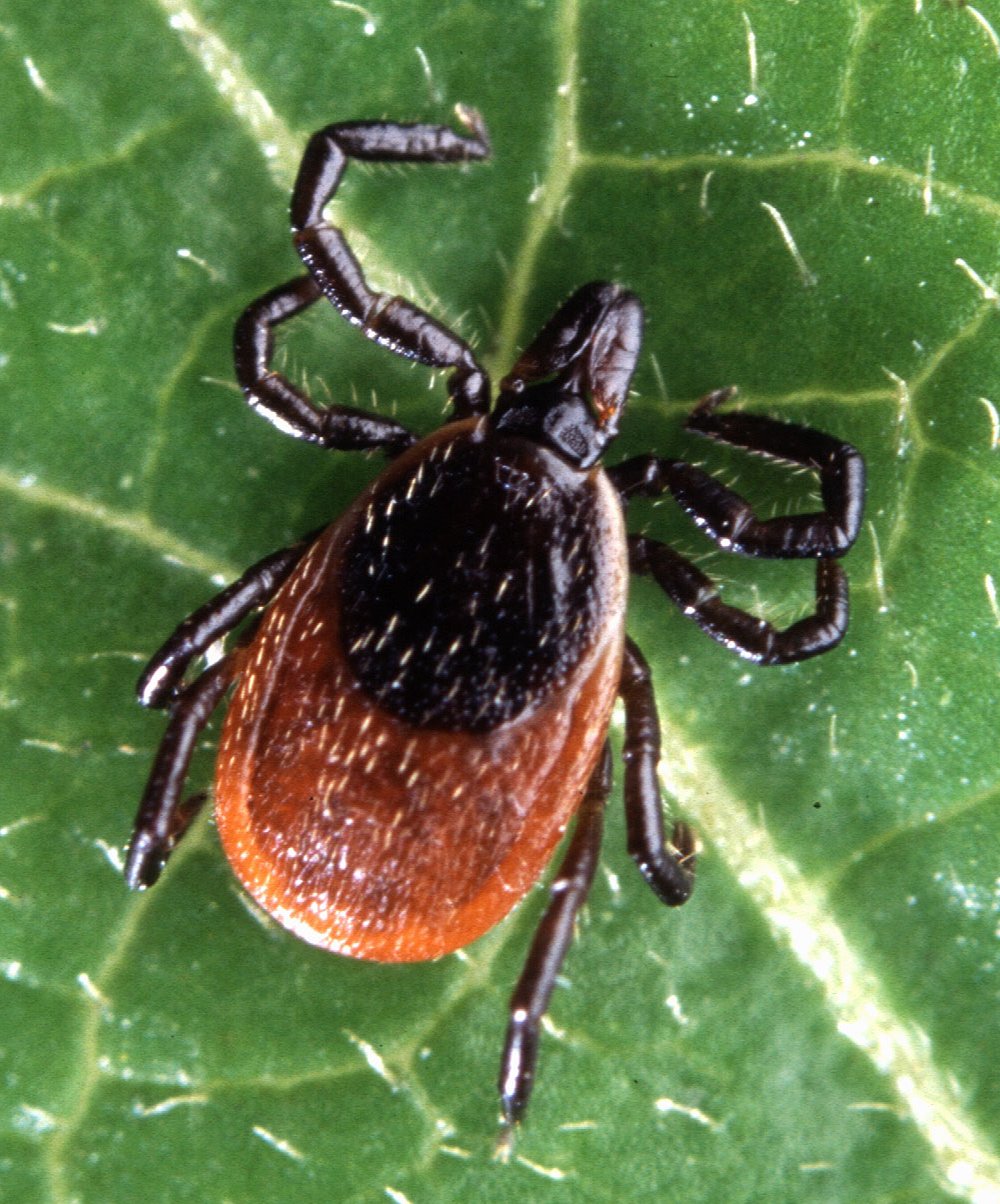
Nobody wants to worry about ticks when their kids are playing in the backyard. Nobody wants to spend the entire cookout swatting mosquitoes. These pests are more than annoying in Indiana. Ticks carry Lyme disease and other serious illnesses, and mosquitoes can transmit West Nile virus. Here is what actually works to reduce them in your yard, based on research, not marketing.
Start with Habitat: Reduce Where They Live
Before spending money on sprays, the most effective step is making your yard less attractive to ticks and mosquitoes. Both pests need specific conditions to thrive, and removing those conditions cuts their populations significantly.
For ticks: Ticks live in shady, humid areas with tall vegetation. They do not survive well on open, mowed lawns. Purdue Extension's guide to tick management (E-72-W) recommends keeping grass mowed short, clearing leaf litter and brush piles, and creating a 3-foot wide gravel or wood chip barrier between your lawn and wooded or brushy areas. This "tick border" is one of the most effective physical controls because ticks rarely cross dry, exposed surfaces.
Remove tall weeds along fence lines, keep shrubs trimmed so air circulates underneath, and stack firewood away from the house in a dry area. These simple changes reduce tick habitat in your yard by a substantial margin.
For mosquitoes: Mosquitoes breed in standing water. Even a bottle cap's worth of water can produce mosquitoes. Purdue Extension recommends eliminating all sources of standing water on your property: old tires, clogged gutters, bird baths that are not changed weekly, plant saucers, children's toys, and anywhere else water collects and sits for more than a few days.
Ohio State Extension notes that most mosquitoes biting you in your yard breed within 200 yards of where they bite. That means the mosquito problem is usually coming from your property or your immediate neighbors, not from some distant swamp.
Perimeter Spray Treatments
Professional perimeter treatments involve spraying the edges of your yard, the understory of shrubs, fence lines, and other areas where ticks and mosquitoes rest. This targets the pests where they actually live, not in the middle of your open lawn.
The most common active ingredients used by professionals are bifenthrin, permethrin, or lambda-cyhalothrin. These are synthetic pyrethroids that knock down ticks and mosquitoes on contact and provide residual control for 3 to 4 weeks depending on weather.
Purdue Extension notes that barrier treatments can significantly reduce tick and mosquito populations in treated areas. Applications are typically done monthly from May through September, covering the peak activity season in northeast Indiana.
For homeowners who prefer less synthetic chemical, natural pyrethrin (derived from chrysanthemum flowers) and cedar oil-based products are available. These provide shorter residual control (usually 1 to 2 weeks) but are effective at the time of application. Michigan State Extension includes natural pyrethrin in their list of effective mosquito control options.
Mosquito Dunks and Larvicides
If you have standing water that you cannot eliminate (like a rain barrel, ornamental pond, or drainage ditch), mosquito dunks containing Bacillus thuringiensis israelensis (Bti) are highly effective. Bti is a naturally occurring bacteria that kills mosquito larvae but is harmless to fish, birds, pets, and people.
Purdue Extension recommends Bti products for any standing water that cannot be drained. One dunk treats about 100 square feet of surface water for 30 days. This targets mosquitoes at the larval stage before they become biting adults, which is far more efficient than trying to kill flying adults.
What About Mosquito Traps and Bug Zappers?
Carbon dioxide traps (like the Mosquito Magnet brand) attract and capture mosquitoes using CO2 and octenol, which mimic human breath. Research from multiple universities shows these traps do catch mosquitoes, but their impact on overall biting rates in a yard is mixed. They work best as part of a broader program that includes habitat reduction and barrier treatments.
Bug zappers, on the other hand, are largely ineffective for mosquitoes. Purdue Extension and other sources note that bug zappers attract and kill mostly beneficial insects (moths, beetles, midges) while catching very few mosquitoes. The UV light that attracts insects to zappers does not strongly attract mosquitoes, which are drawn primarily by CO2 and body heat.
Citronella candles, ultrasonic devices, and wristband repellents have little to no proven effectiveness in research settings. Iowa State Extension lists these as having no scientific support for meaningful mosquito reduction.
Tick Tubes and Targeted Treatments
Tick tubes are cardboard tubes filled with permethrin-treated cotton. Mice collect the cotton for nesting material and the permethrin kills ticks on the mice. Since white-footed mice are the primary host for blacklegged (deer) tick nymphs, this approach targets a key part of the tick lifecycle.
Purdue Extension includes tick tubes as a component of integrated tick management. They are placed along property borders, near stone walls, and in brushy areas where mice are active. They work best as one part of a broader strategy rather than as a standalone solution.
For yards that border wooded areas, a single application of a granular or liquid tick treatment to the property perimeter in late May and again in late September targets the two peak activity periods for blacklegged ticks in Indiana.
Protecting Yourself
No yard treatment provides 100 percent control. When you are outdoors in tick habitat (tall grass, wooded areas, brushy edges), personal protection matters.
The EPA and CDC recommend DEET-based repellents on skin and permethrin-treated clothing for tick and mosquito protection. Purdue Extension notes that treating outdoor clothing with permethrin is particularly effective against ticks because it kills ticks on contact rather than just repelling them.
After spending time outdoors, do a full-body tick check. Pay attention to the hairline, behind the ears, underarms, waistline, and behind the knees. Showering within two hours of coming indoors reduces the risk of tick attachment. These personal habits are just as important as any yard treatment.
A Realistic Approach
The most effective tick and mosquito program combines three things: habitat reduction (which is free), targeted treatments (which hit the pests where they live), and personal protection (which fills the gaps). No single approach solves the problem alone, but together they make a real difference in how much you can enjoy your yard from May through September.
Sources
- Purdue Extension E-72-W, "Ticks and Tick-Borne Diseases" — PDF
- Purdue Extension E-52-W, "Mosquitoes in Indiana" — PDF
- Ohio State Extension, "Mosquito Control Around the Home" — Link
- Michigan State Extension, "Mosquito Control Options" — Link
- Iowa State Extension, "Tick Management" — Link
- CDC, "Preventing Tick Bites" — Link