Your arborvitae are turning brown from the inside. Your euonymus has weird bumps on the stems. Your boxwood looks like something is slowly eating it alive. Shrub pests are sneaky. By the time you notice the damage, they have often been at work for weeks. Here are the most common culprits in northeast Indiana and what you can do about each one.
Bagworms
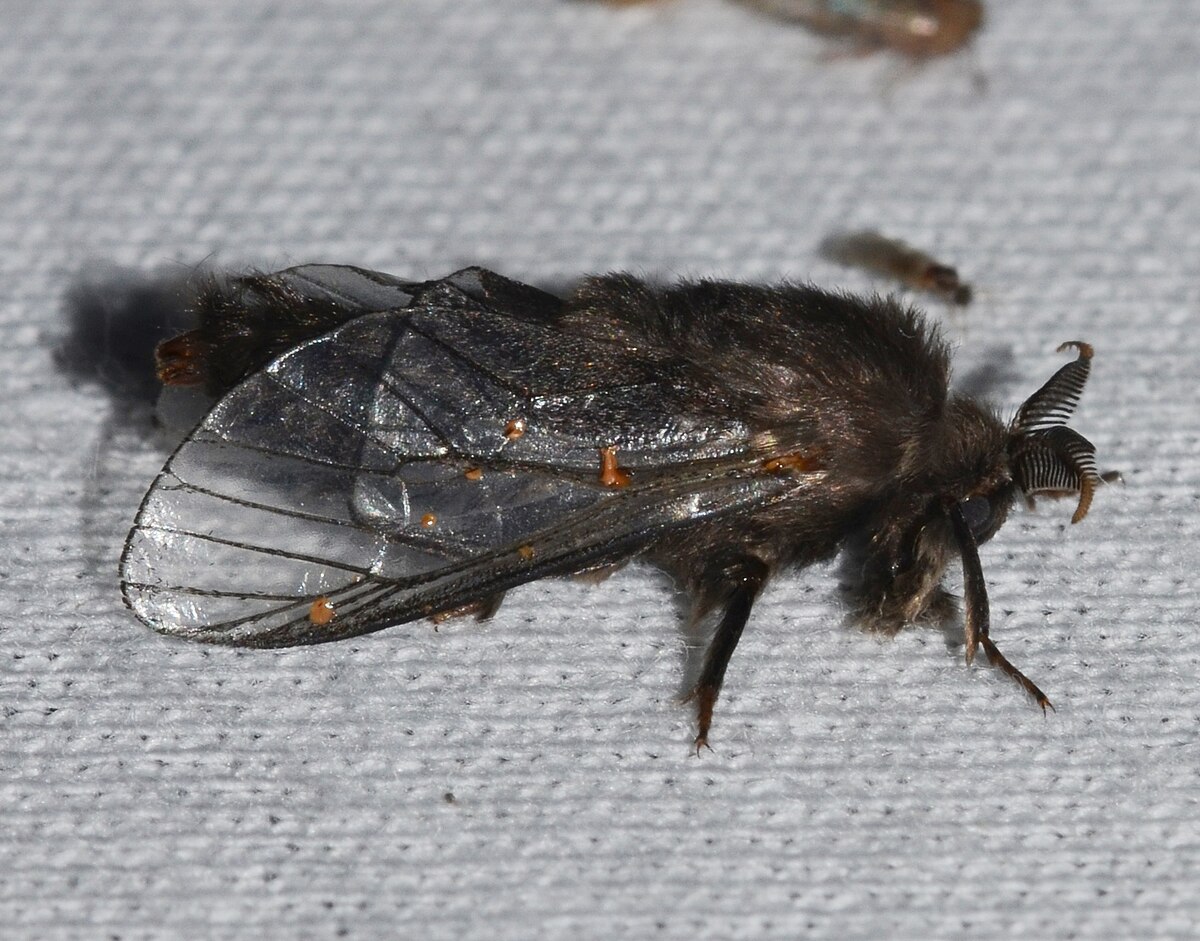
Bagworms (Thyridopteryx ephemeraeformis) are the single most destructive shrub pest in Indiana. They attack arborvitae, juniper, spruce, and other evergreens, and they can kill an established shrub in a single season if the infestation is heavy enough.
What to look for: Small, cone-shaped bags made of silk and bits of foliage, hanging from the branches like tiny ornaments. Each bag contains a caterpillar that feeds on the foliage from inside the protective case. Early in the season (June), the bags are tiny and easy to miss. By August, they are an inch or more long and the damage is obvious.
Purdue Extension's entomology guide (E-11-W) explains the lifecycle: eggs overwinter inside old bags from the previous year. Larvae hatch in late May to early June, spin their own bags, and feed through mid-August. Timing is everything for control.
Treatment: The best window for treatment is mid-June through early July, when the caterpillars are small and most vulnerable. Purdue Extension recommends Bacillus thuringiensis (Bt), spinosad, or synthetic insecticides like bifenthrin applied during this window. By August, the caterpillars are large and much harder to kill.
For small shrubs with a light infestation, handpicking the bags in fall or winter removes the next year's eggs and can prevent a repeat. Drop them in soapy water to kill the eggs inside. Ohio State Extension notes that handpicking is effective for small-scale infestations and can eliminate the need for pesticides.
Spider Mites
Spider mites are tiny (nearly invisible to the naked eye) and they thrive in hot, dry conditions. They are most common on arborvitae, juniper, boxwood, and azalea. Damage typically shows up in mid-summer during dry spells.
What to look for: A dull, stippled, or bronzed look to the foliage. Hold a piece of white paper under a branch and tap the branch sharply. If tiny specks fall onto the paper and start moving, those are mites. You may also see fine webbing on the undersides of leaves or between needles.
Purdue Extension notes that mite populations can explode quickly in hot, dry weather, going from undetectable to damaging in just a few weeks. Regular monitoring during summer drought is important.
Treatment: A strong blast of water from a hose knocks mites off the plant and disrupts their webbing. This is often enough for mild infestations. Michigan State Extension recommends this as the first line of defense because it is effective and does not kill the beneficial predatory mites that naturally control pest mite populations.
For heavier infestations, horticultural oil or insecticidal soap sprayed directly on the mites provides control without the broad-spectrum effects of synthetic miticides. Purdue Extension warns against using broad-spectrum insecticides for mites because they kill the natural predators and can actually make mite problems worse (a phenomenon called mite flare).
Scale Insects
Scale insects are strange-looking pests that do not look like bugs at all. They attach to stems and leaves, cover themselves with a waxy shell, and suck plant sap. Over time, heavy scale infestations weaken shrubs and can cause branch dieback.
The most common types in northeast Indiana include euonymus scale (on euonymus and pachysandra), oystershell scale (on lilac, ash, and dogwood), and cottony maple scale (on maples and other landscape trees).
What to look for: Small bumps on stems and leaves that do not rub off easily. Euonymus scale appears as white, elongated spots on stems and yellow spots on leaves. Oystershell scale looks like tiny gray-brown oyster shells clustered on bark. You may also notice sooty mold (a black, powdery coating) on leaves below the scale, which grows on the sugary "honeydew" that scale insects excrete.
Purdue Extension's guide to scale insects (E-29-W) provides detailed identification for common Indiana species.
Treatment: Timing depends on the species. The most vulnerable stage is the "crawler" phase, when juvenile scale insects are moving around on the plant before settling down and forming their protective shell. Purdue Extension provides crawler emergence dates for common scale species in Indiana.
Horticultural oil applied during the dormant season (late winter) can smother overwintering scale on deciduous shrubs. Growing-season applications of horticultural oil or insecticidal soap target crawlers. Iowa State Extension recommends dormant oil as one of the most effective and least toxic scale control methods available.
Boxwood Leafminer
If you have boxwood hedges (and many homes in Fort Wayne and Marion do), the boxwood leafminer is a pest worth knowing about. The larvae feed inside the leaves, creating yellow, blistered patches.
What to look for: Leaves that look puffy or blistered, with yellowish or brownish areas. If you hold a damaged leaf up to the light, you can often see the tiny larva inside. Heavy infestations cause leaves to drop and thin out the plant.
Treatment: Systemic insecticides applied in spring (when adults are active) are the most effective option for heavy infestations. Ohio State Extension notes that selecting resistant boxwood varieties when planting is the best long-term solution. Varieties like 'Green Gem' and 'Green Mountain' show better resistance than the common English boxwood.
When to Spray and When to Wait
Not every pest sighting requires treatment. A few bagworms on a large shrub can be handpicked. A mild mite flare during a drought may resolve on its own when rain returns. Scale on a single branch can be pruned out.
The threshold for treatment depends on the severity of the infestation, the value of the plant, and how quickly the pest population is growing. Purdue Extension recommends monitoring first and treating only when damage exceeds your tolerance threshold. This approach, called Integrated Pest Management (IPM), reduces unnecessary pesticide use while still protecting your plants.
When treatment is needed, timing is far more important than the specific product. A well-timed application of a basic product outperforms an expensive product applied at the wrong time every time.