Lawn & Tree Care Tips
Seasonal advice and treatment guides for Northeast Indiana homeowners
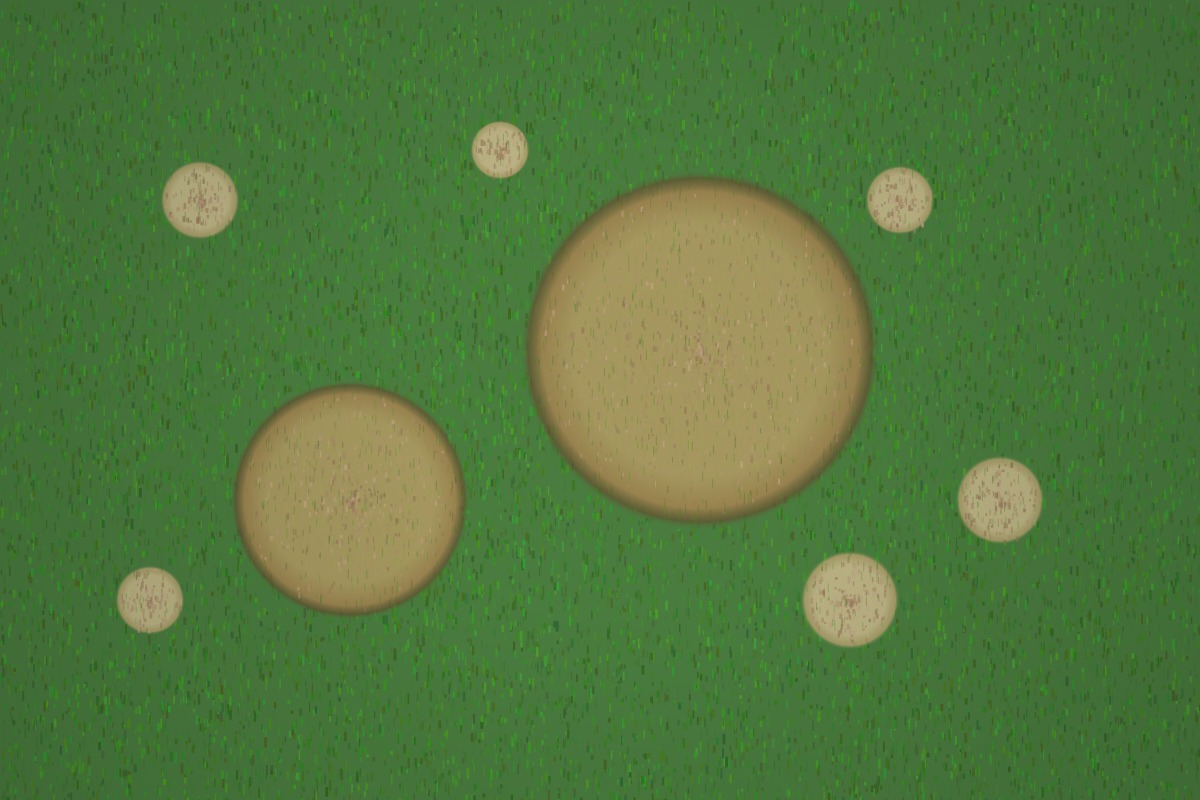
How to Spot Lawn Disease Before It Spreads
Red thread, dollar spot, and brown patch are the three most common lawn diseases in northeast Indiana. Purdue Extension explains what each looks like and why early identification saves your turf.
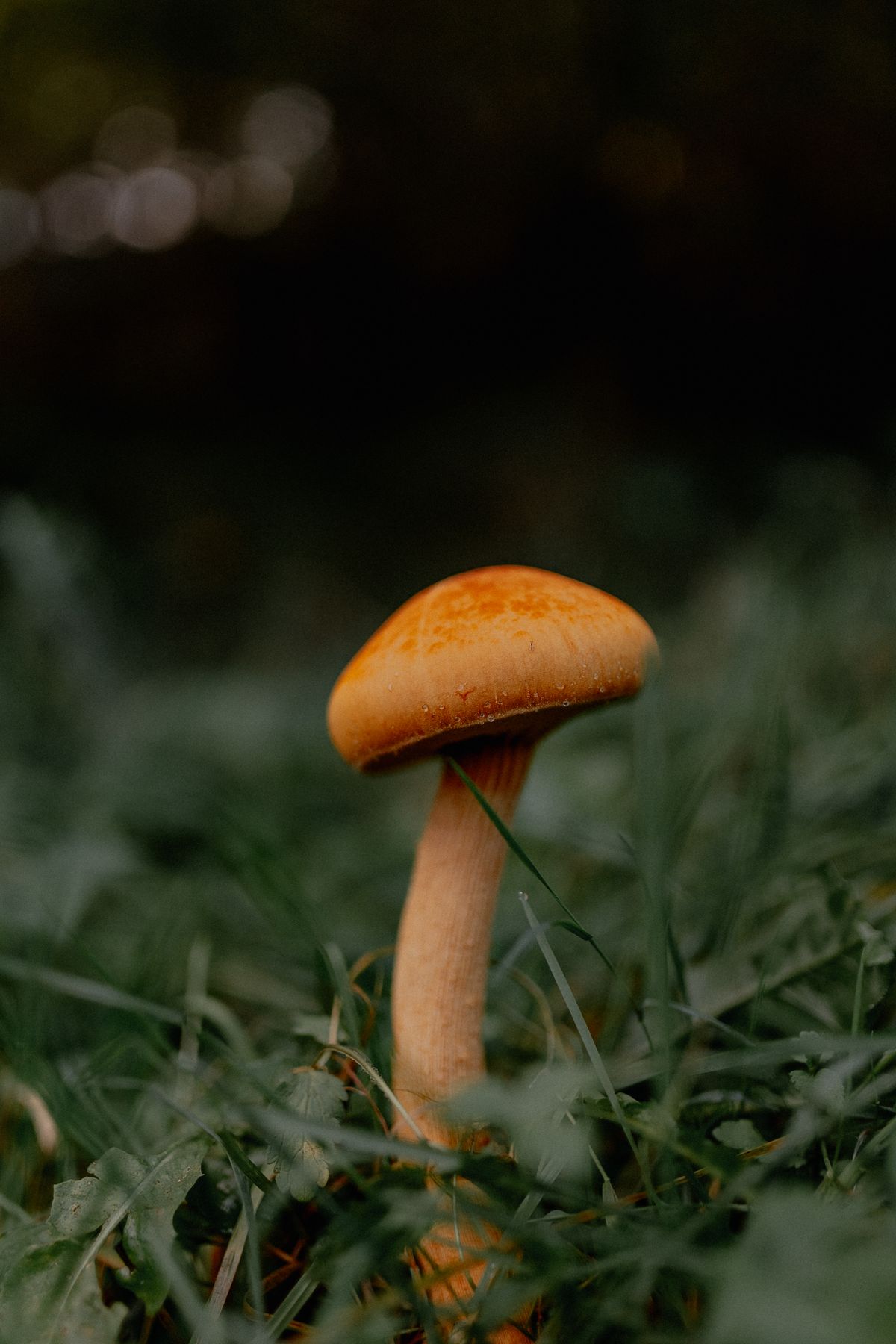
Why Your Lawn Has Mushrooms (and When to Worry)
Mushrooms popping up after every rain? Purdue and Michigan State explain what they mean, when fairy rings signal real damage, and what actually helps.
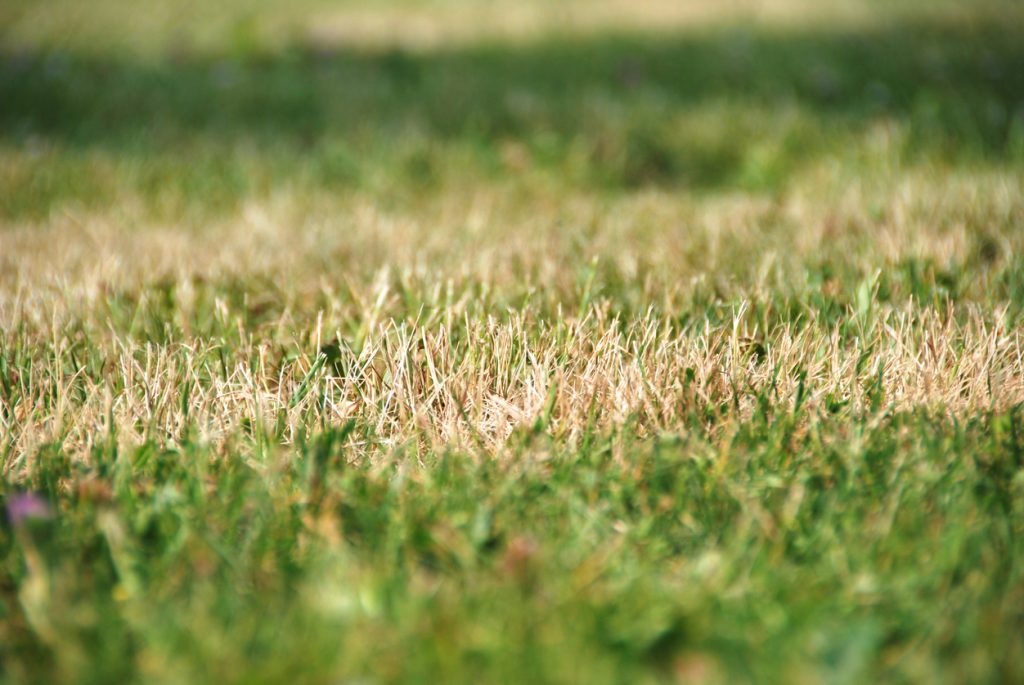
Chinch Bugs: The Summer Lawn Killer You Can't See
That brown patch near your driveway might not be heat stress. Purdue, Ohio State, and Michigan State explain how chinch bugs destroy Indiana lawns — and why getting the diagnosis right matters.
Should You Water Your Lawn Every Day? (No, and Here's Why)
Daily watering causes shallow roots, fungal disease, and more weeds. Purdue and Iowa State explain what to do instead.
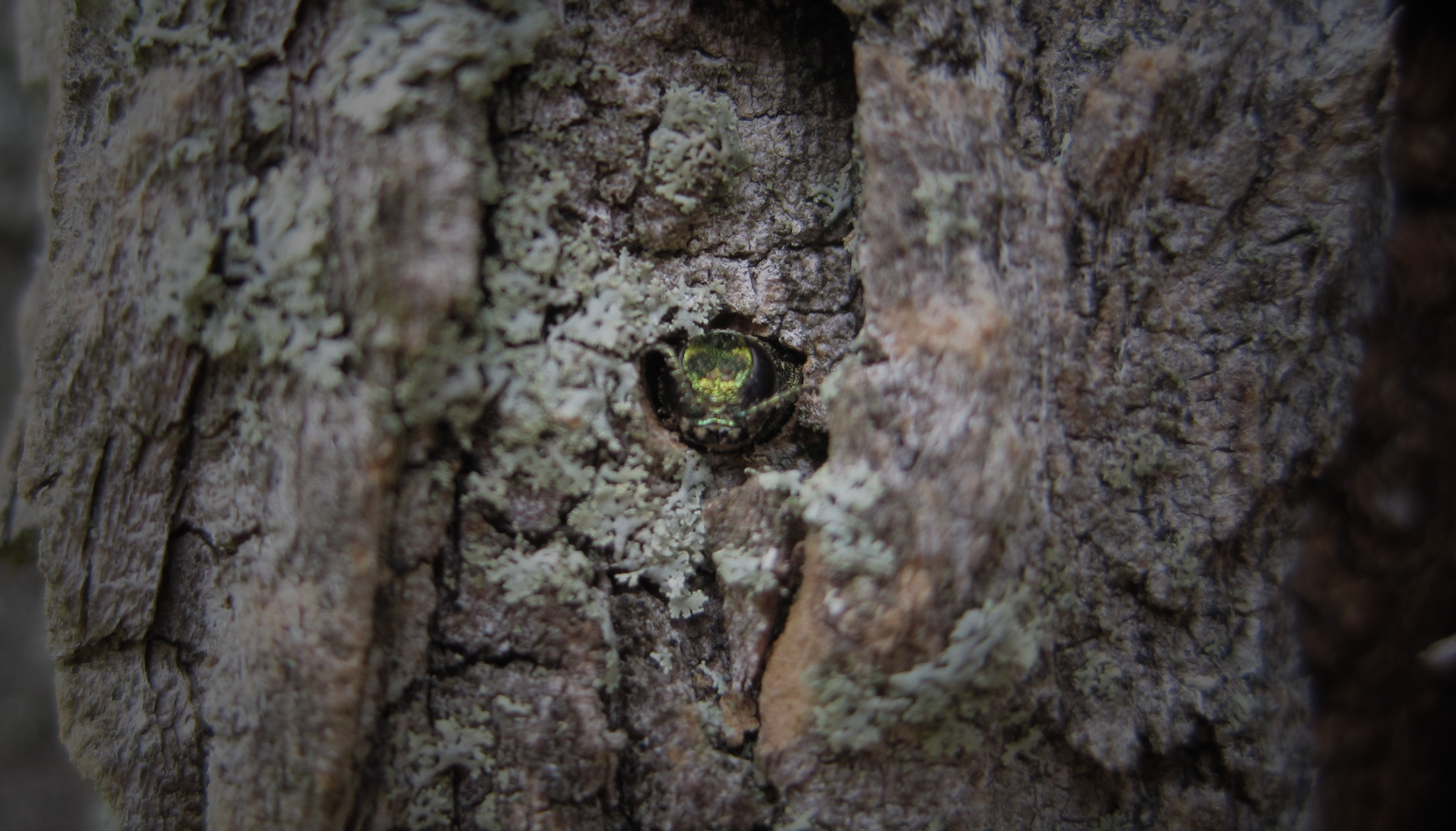
Emerald Ash Borer: Is Your Ash Tree at Risk?
The emerald ash borer has killed hundreds of millions of ash trees. Purdue and Michigan State explain what to look for, why timing matters, and how trunk injection treatment saves trees.
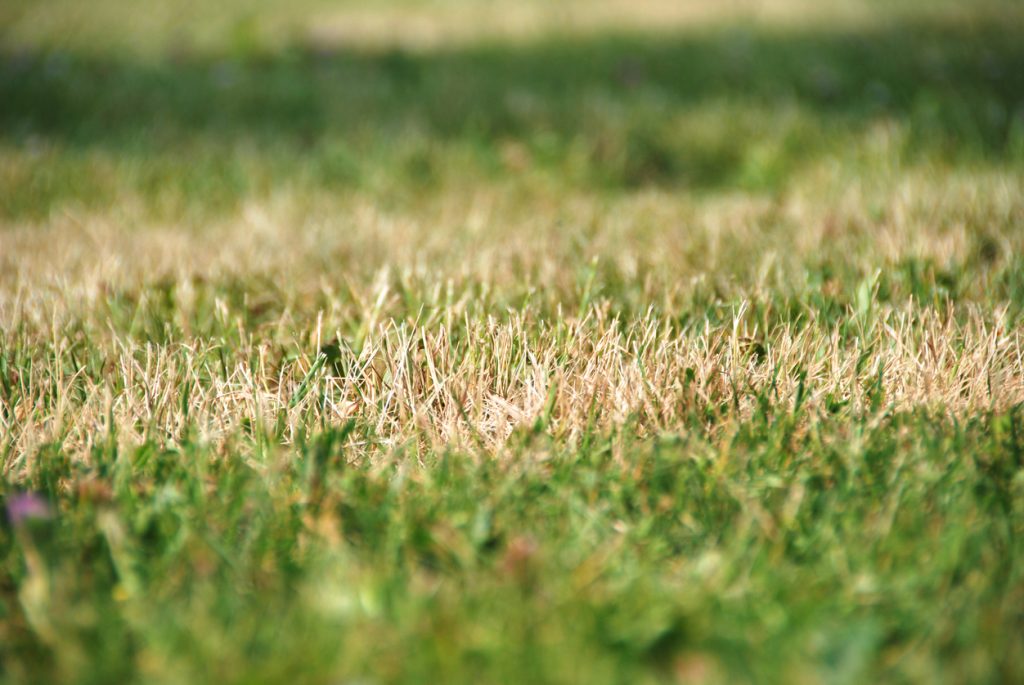
How to Keep Your Lawn Green During an Indiana Heat Wave
When temperatures hit the 90s, cool-season lawns take a beating. Purdue and Michigan State explain what is happening underground and why consistency is everything.
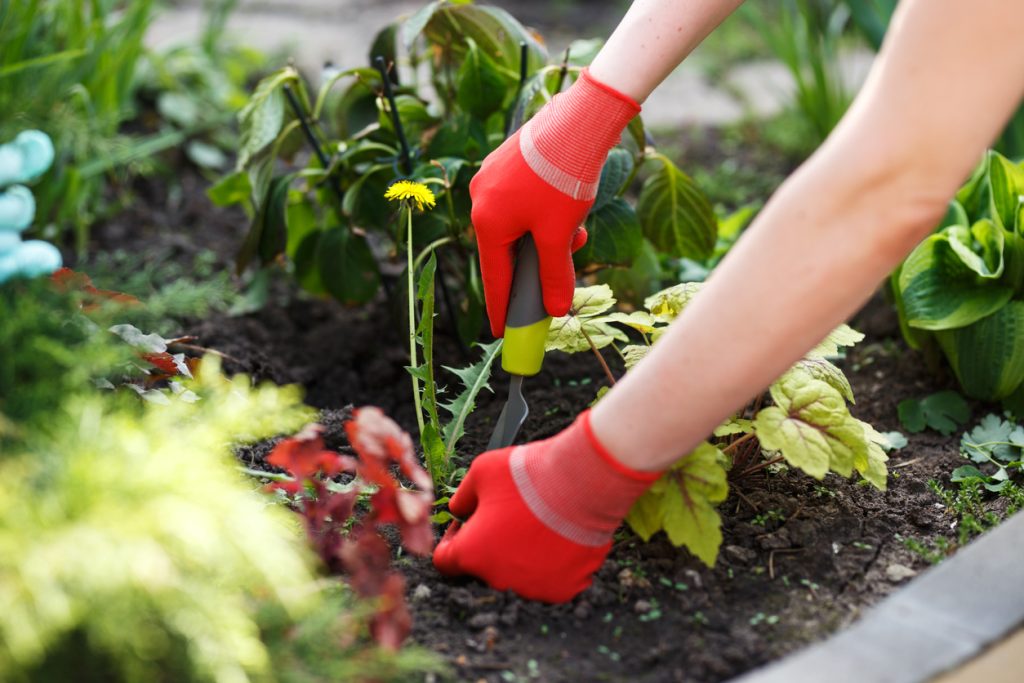
We Treated Your Weeds Yesterday and They're Still Green. Here's Why That's a Good Sign
That call we get after every gravel and fence-line job. Purdue and NC State Extension explain how glyphosate moves to the roots — and why a slow kill is the thorough one.
Is Your Lawn Safe After We Treat It?
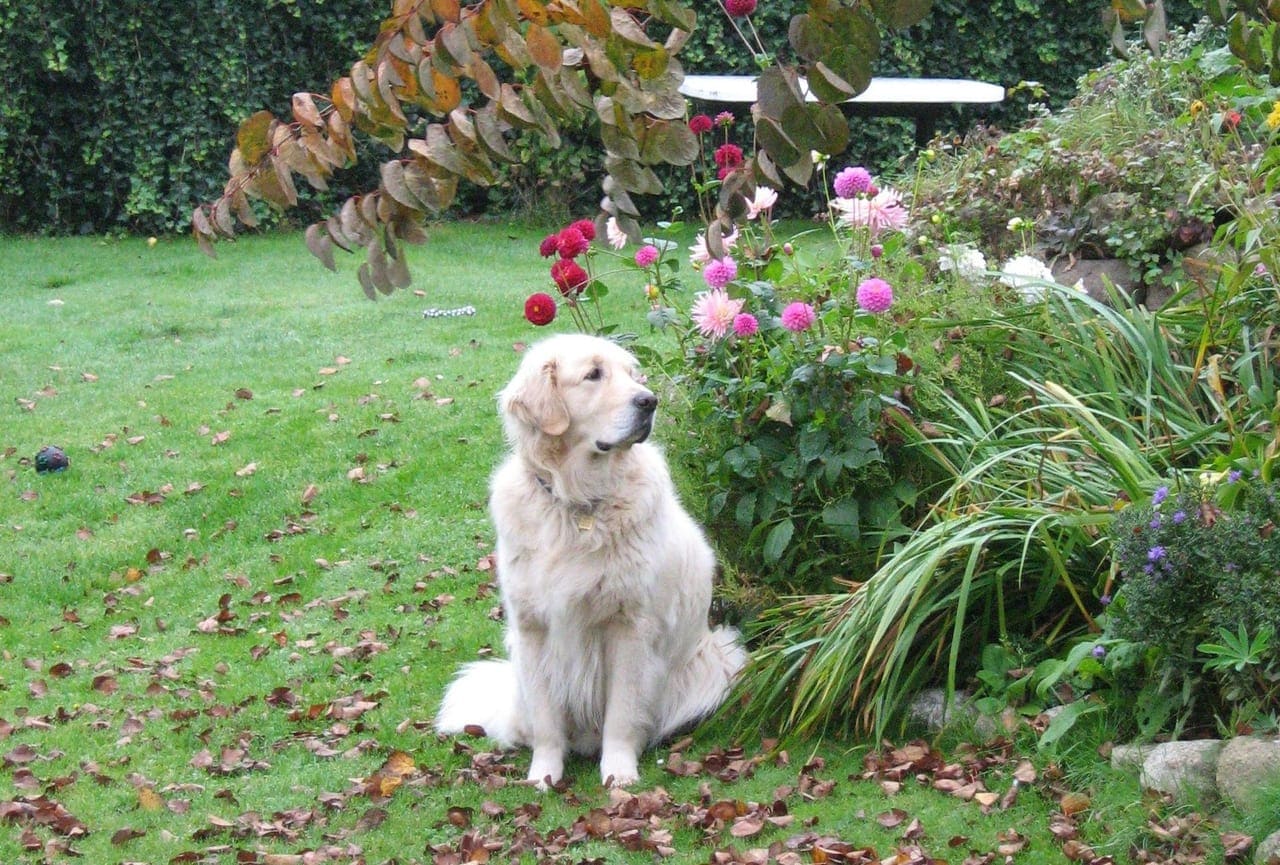
A straight answer for parents and pet owners. What the DANGER and CAUTION labels really mean, what's left on your grass after a treatment, and how it compares to what's under your sink.
Nutsedge: The Weed That Looks Like Grass
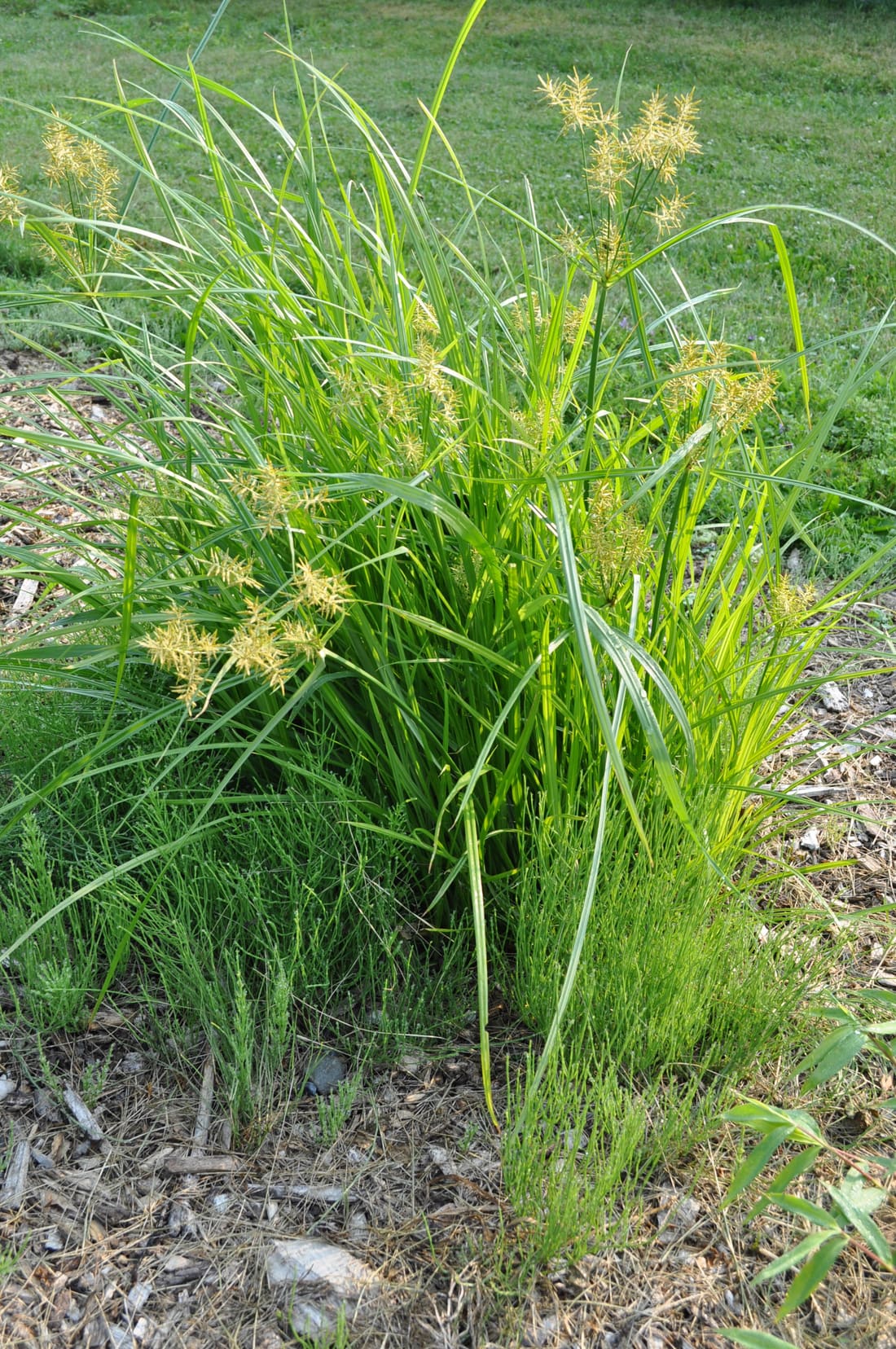
That pale, spiky weed that outgrows your lawn every summer? Purdue and Penn State explain why regular weed killer doesn't touch it — and why catching it small is everything.
Why Your New Sod Isn't Taking
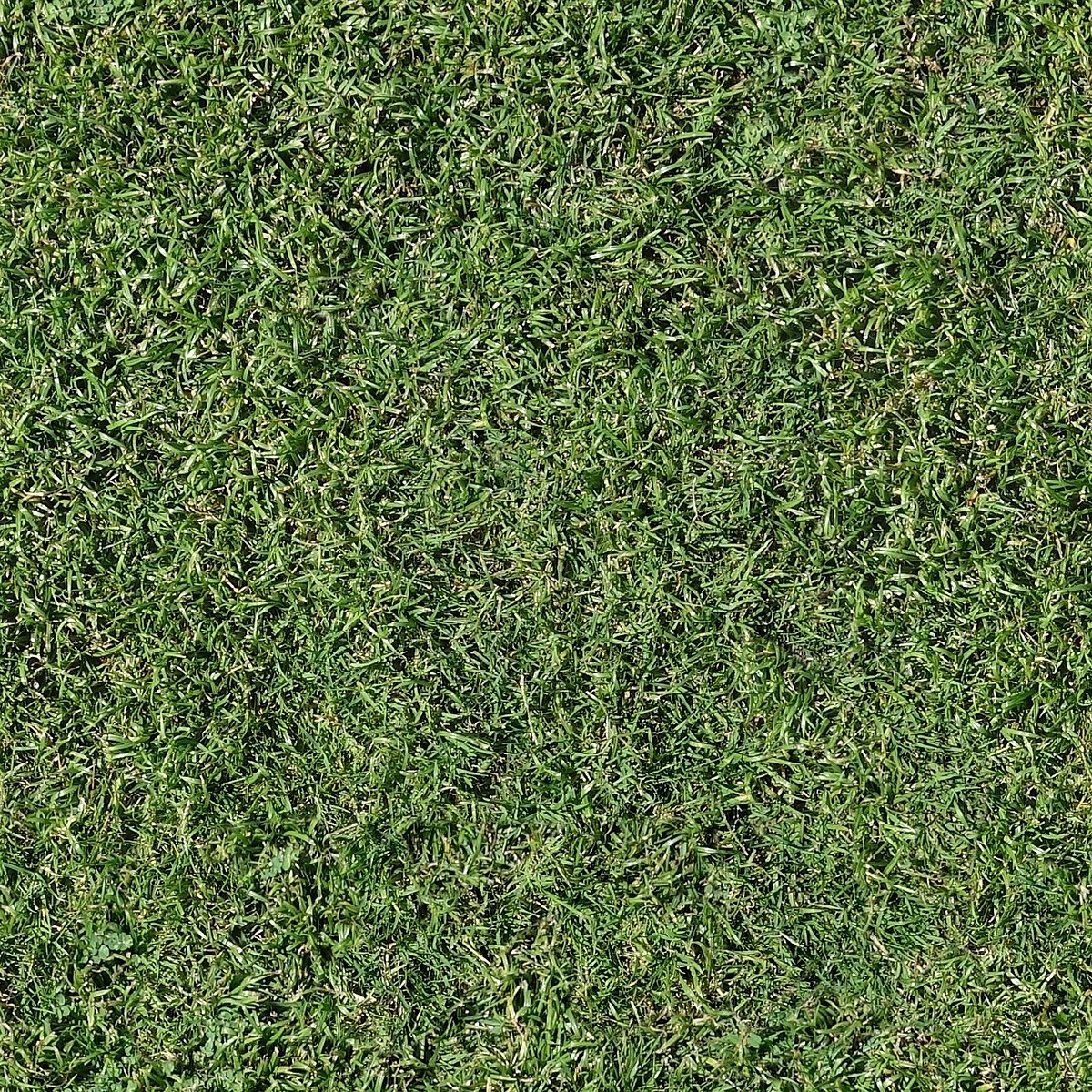
New sod turning yellow or pulling up easily? Purdue and Michigan State explain the most common reasons new sod fails in Northeast Indiana.
How to Tell Grassy Lawn Weeds Apart: A Step-by-Step Guide for Indiana Lawns
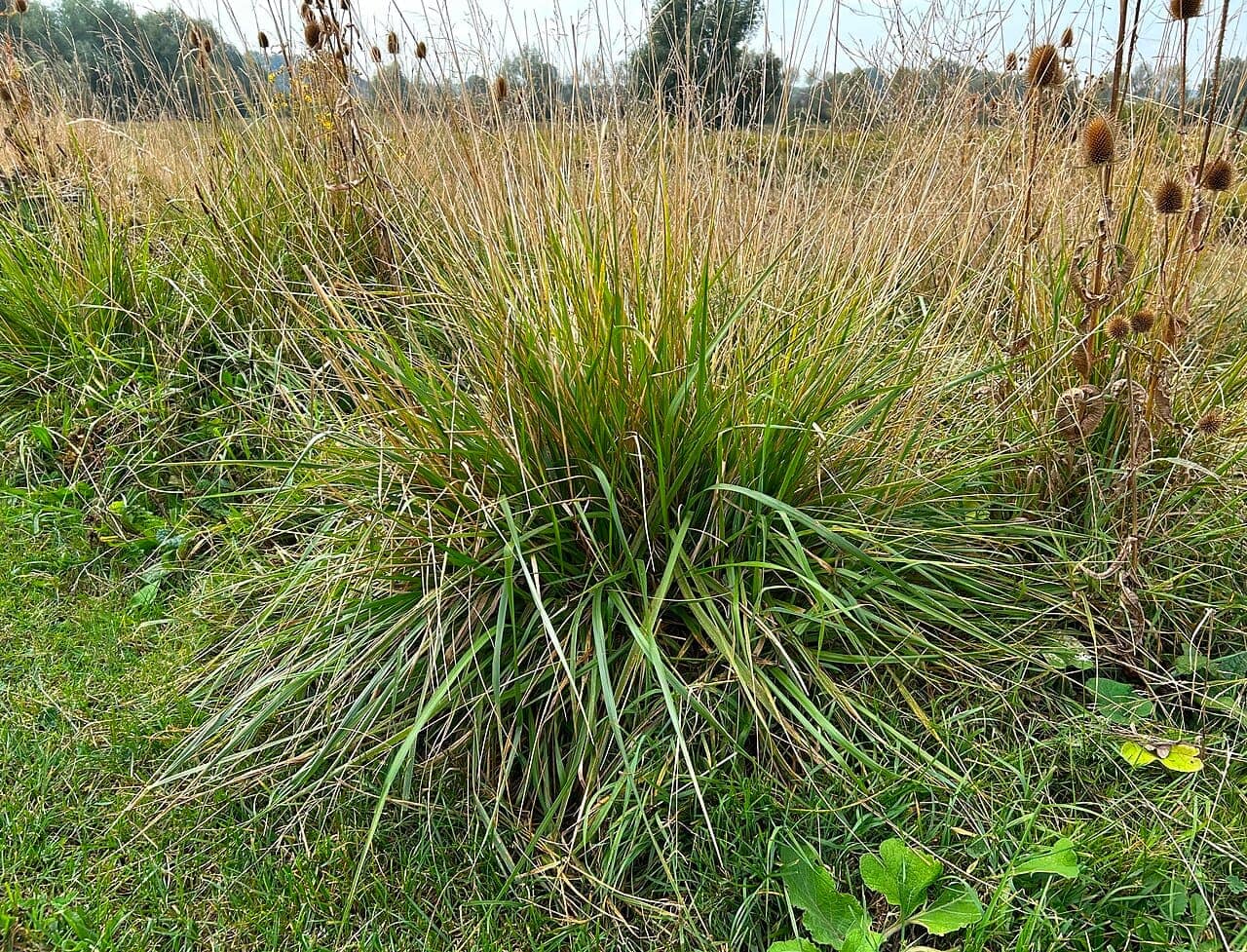
Crabgrass, nimblewill, tall fescue, quackgrass and more. A simple, step-by-step way to ID that odd patch of grass — with real photos and Purdue research.
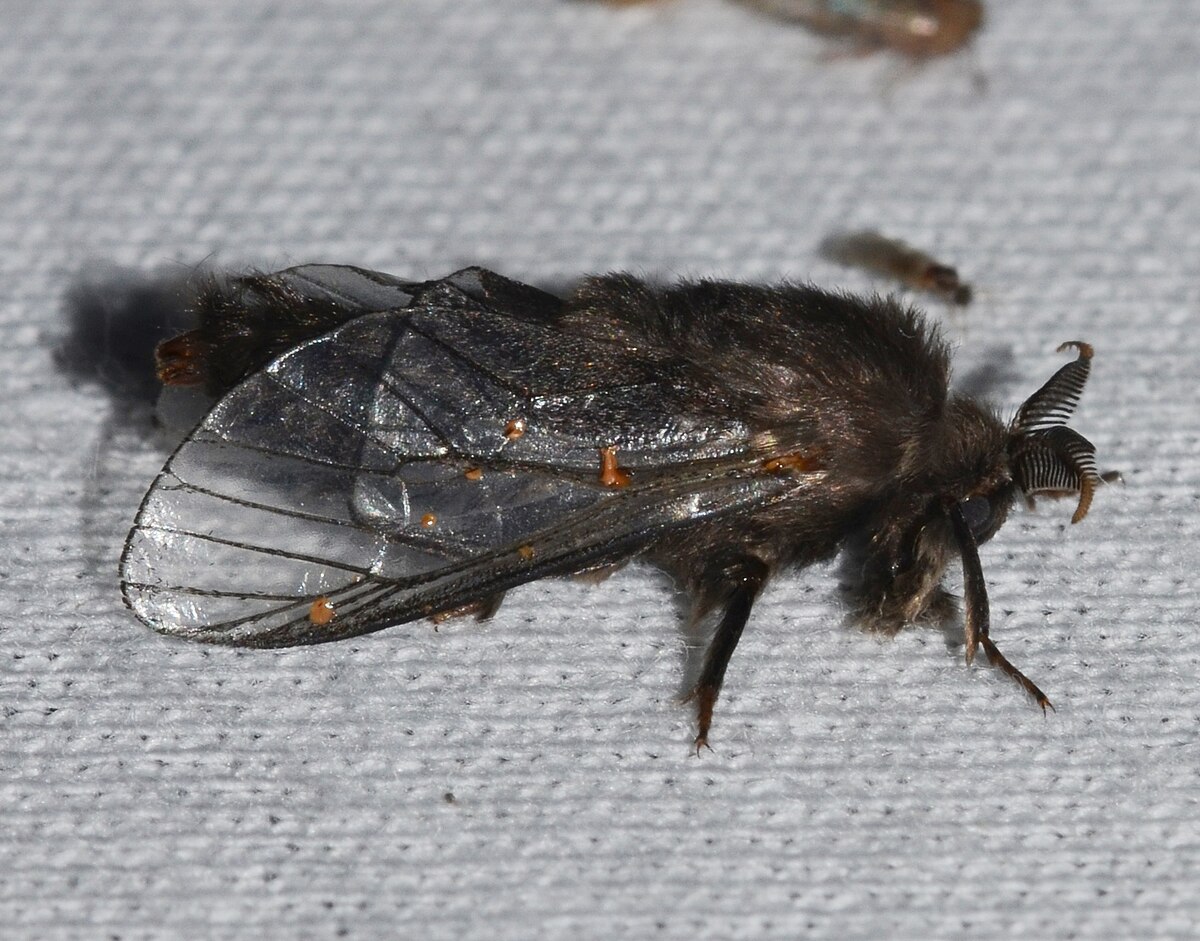
What's Eating Your Shrubs? Common Indiana Shrub Pests
Bagworms, spider mites, and scale insects are quietly destroying shrubs across Fort Wayne and Marion. Here is what is happening and why timing is everything.
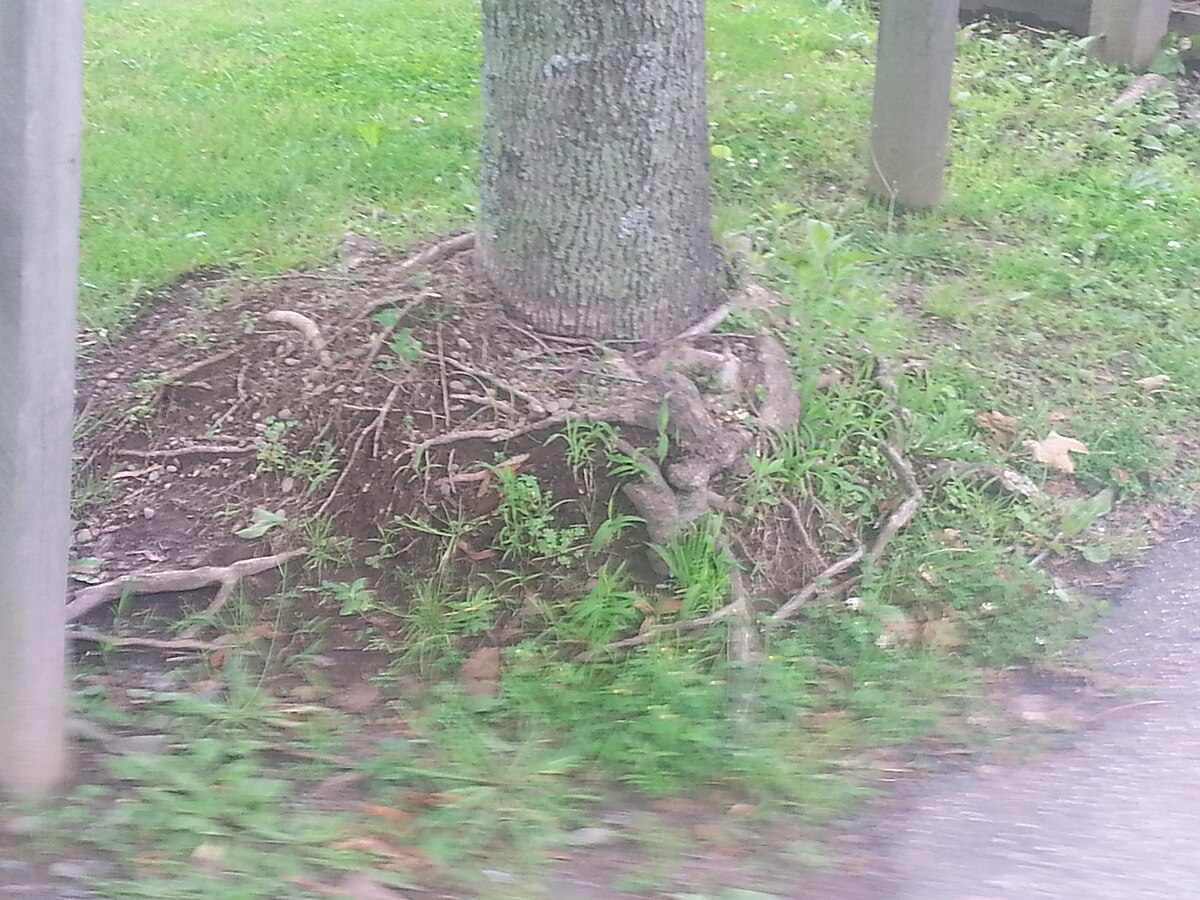
Mulch Volcanoes Are Killing Your Trees
That tidy cone of mulch against your tree trunk is causing girdling roots, bark decay, and slow decline. Here is what is really happening and why it matters.
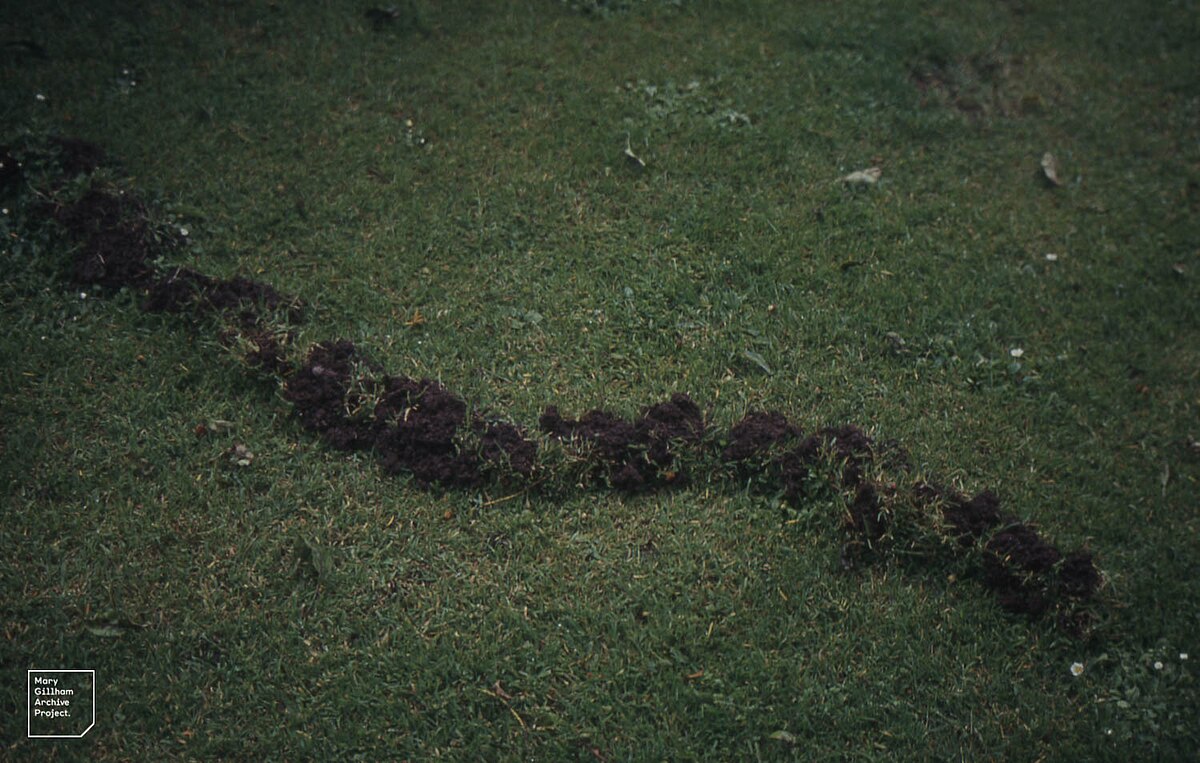
Moles in Your Yard? Here's What's Really Going On
Most homeowners think killing grubs will solve their mole problem. Purdue, Michigan State, and Iowa State say otherwise. Here is what is really going on underground.
We Built a Free Tool That Tells You Whether to Water Your Lawn Today
A free, no-signup tool for Fort Wayne, Marion, and any U.S. homeowner. Type your ZIP and get a yes-or-no answer based on local rainfall, forecast, and soil conditions.
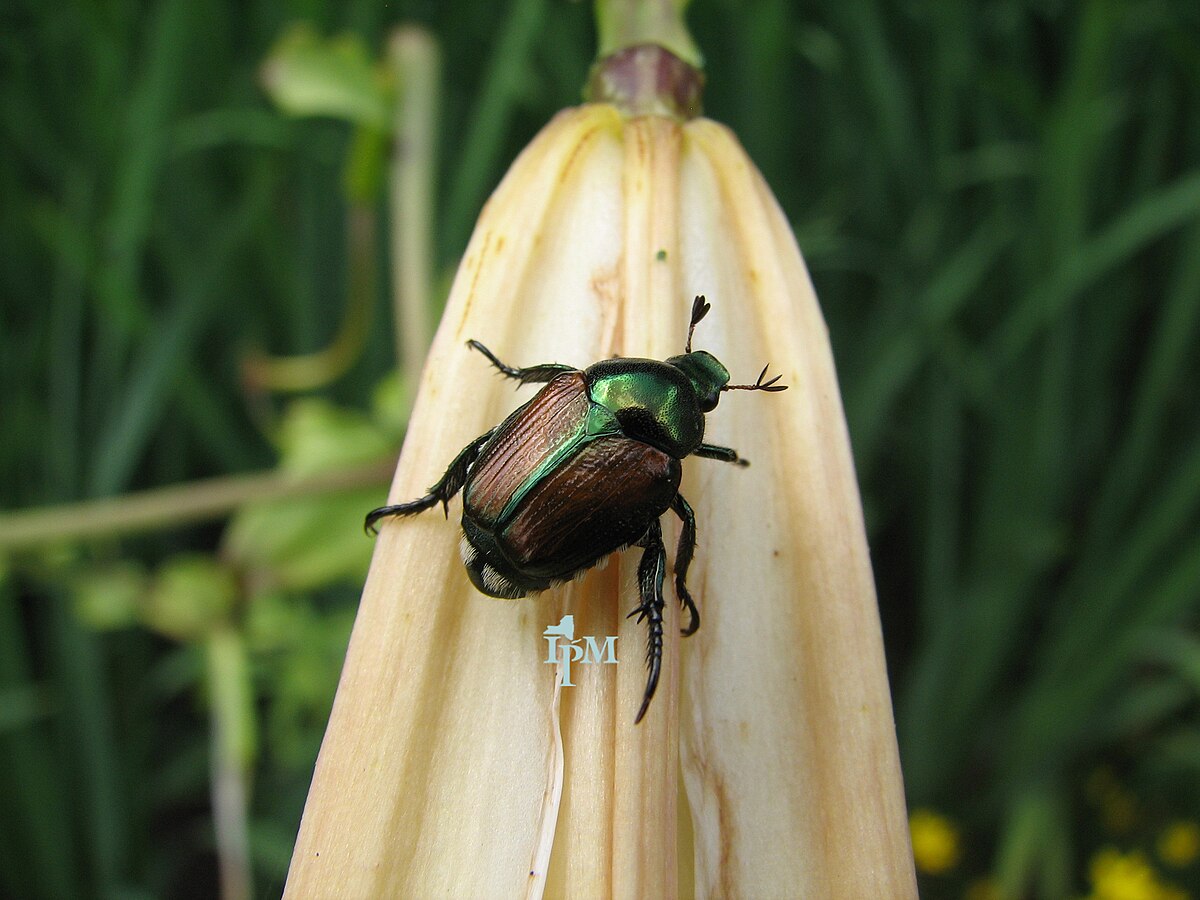
Grubs: The Underground Pest Destroying Indiana Lawns
White grubs silently destroy lawns across Fort Wayne and Marion every summer. Here is how the lifecycle works and why preventive timing is everything.
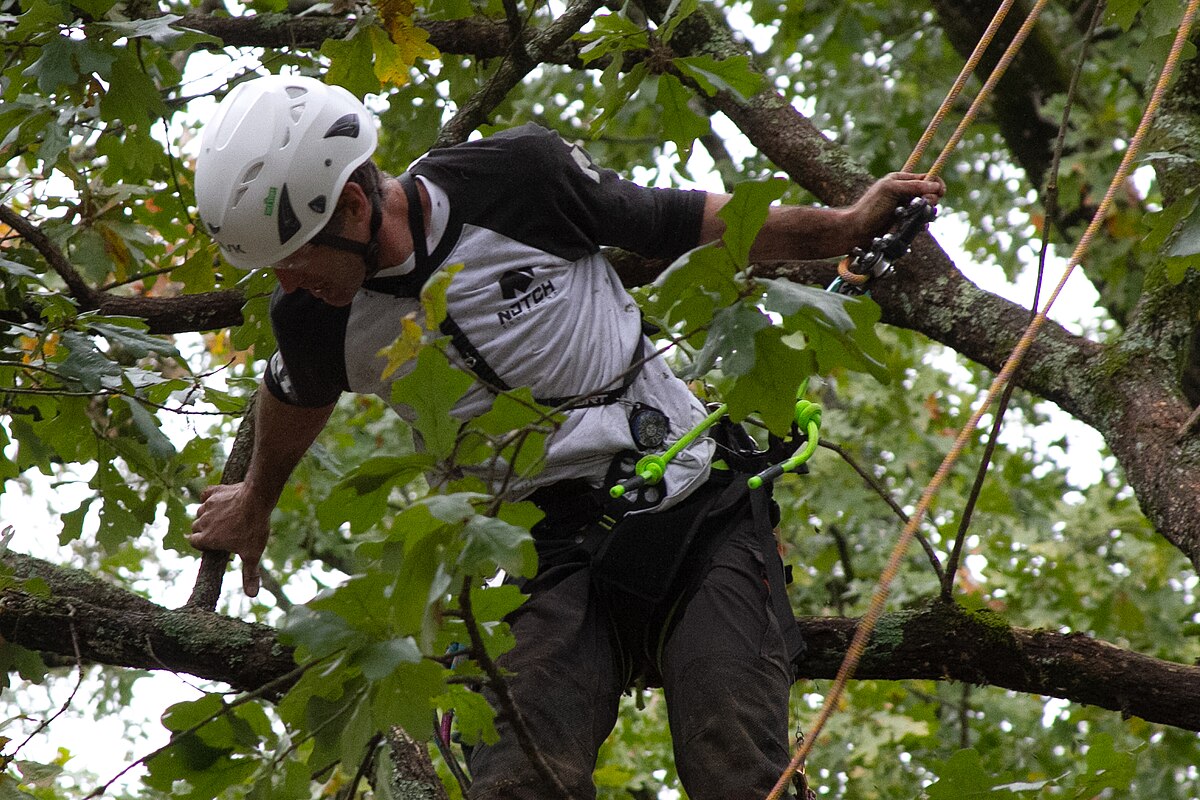
What Does a Certified Arborist Actually Do?
ISA Certified Arborists are more than just tree trimmers. Here is what the credential means and when your trees need one in Fort Wayne or Marion.
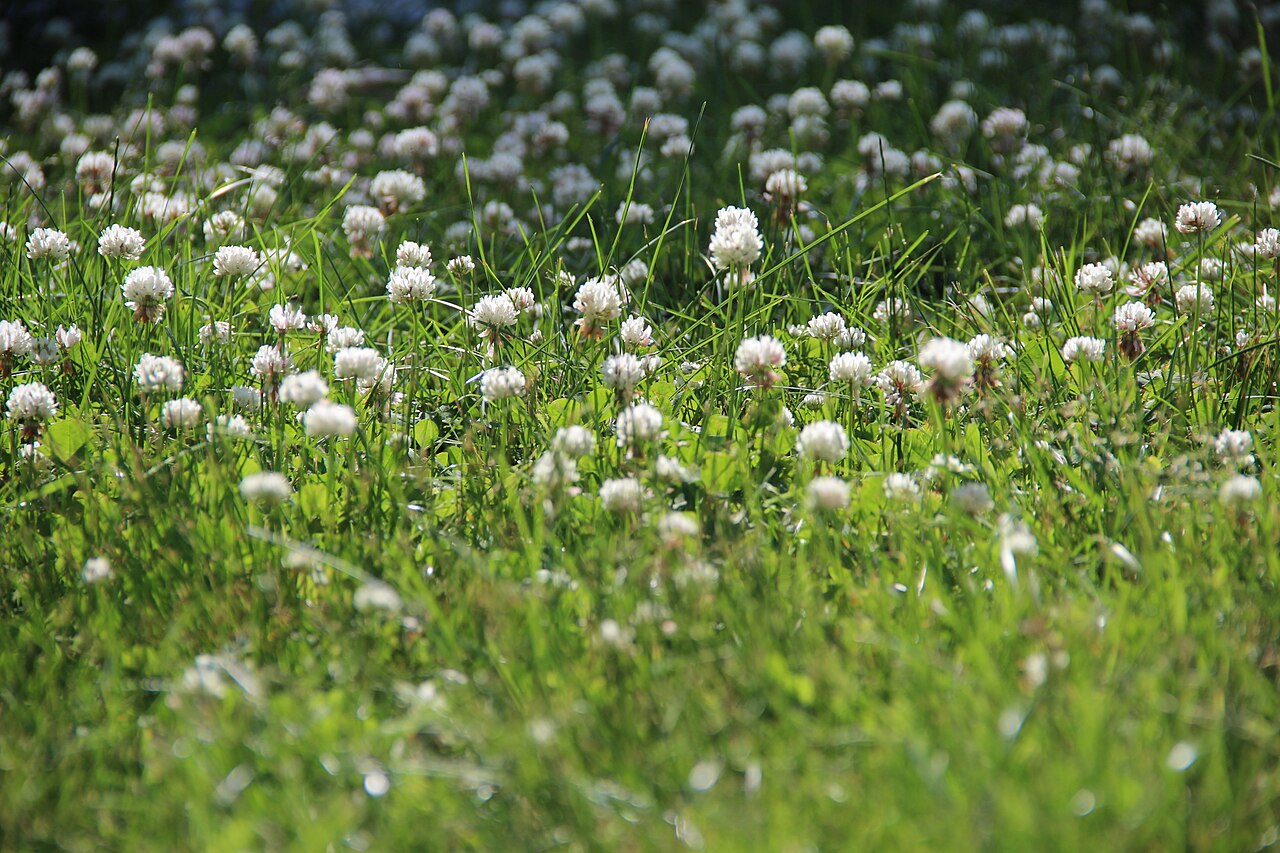
Clover in Your Lawn: Problem or Benefit?
White clover shows up in lawns across Fort Wayne and Marion every spring. Here is what it means for your lawn and how we handle it.
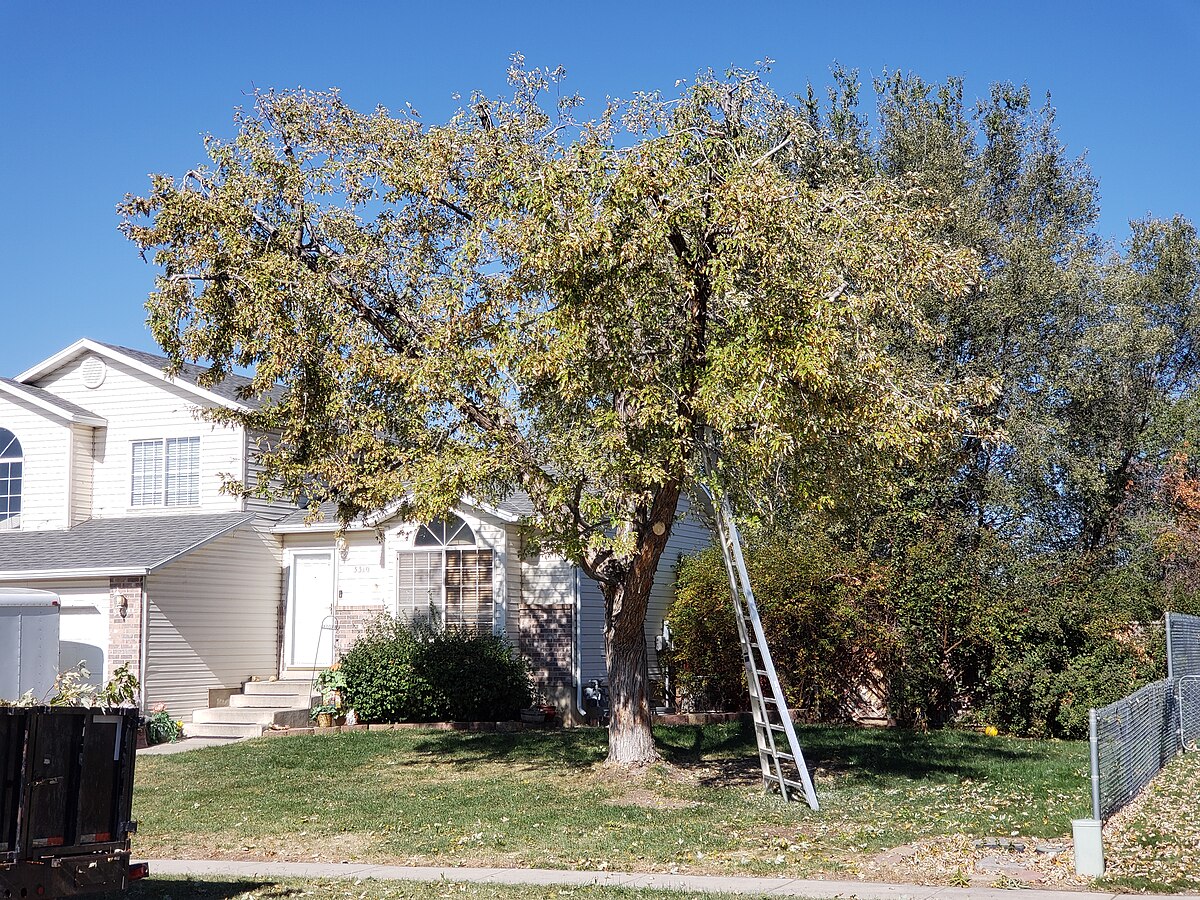
Spring Tree Pruning: What to Cut and What to Leave Alone
Not all trees should be pruned in spring. Learn which species to prune now, which to wait on, and how to avoid common mistakes.
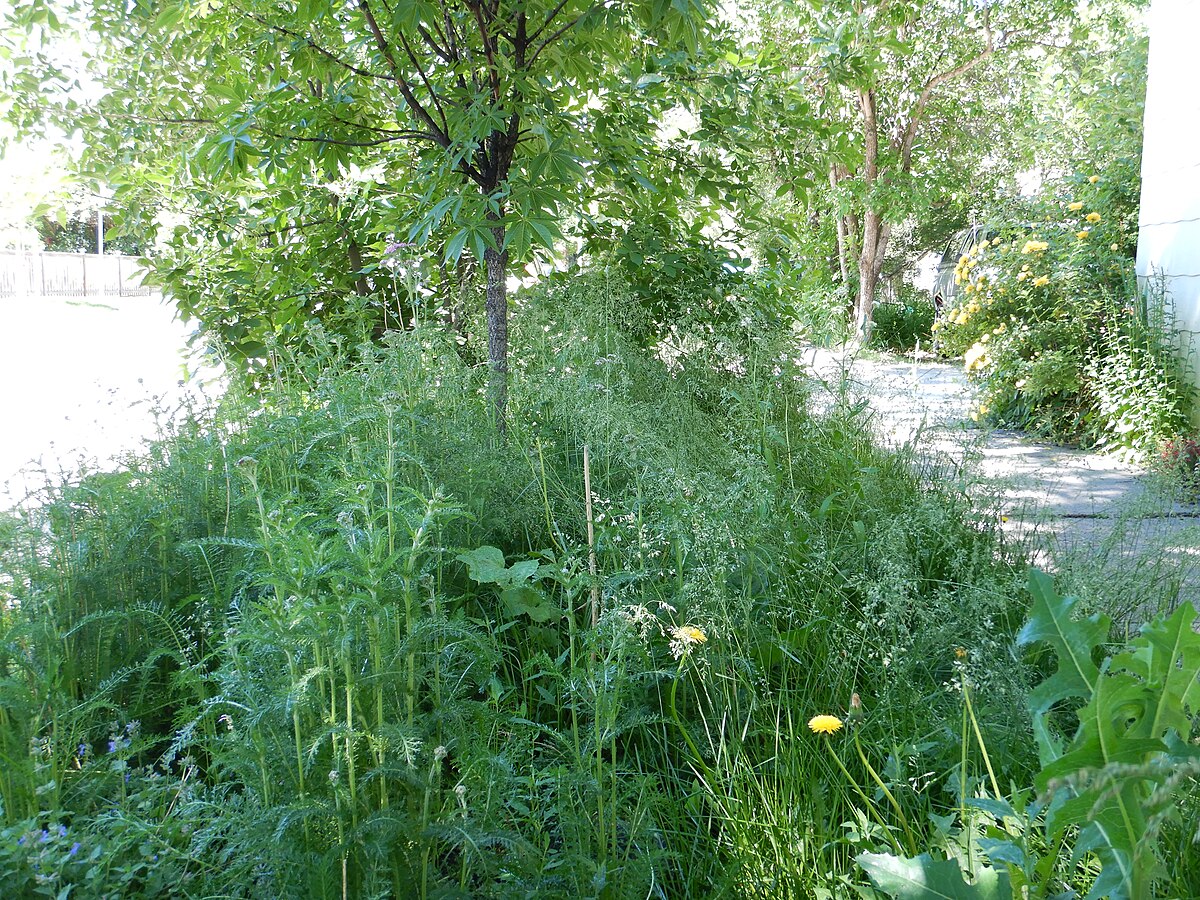
What's the Best Grass Type for Northeast Indiana?
Kentucky bluegrass, tall fescue, or perennial ryegrass? Here is what works best for Fort Wayne and Marion lawns.
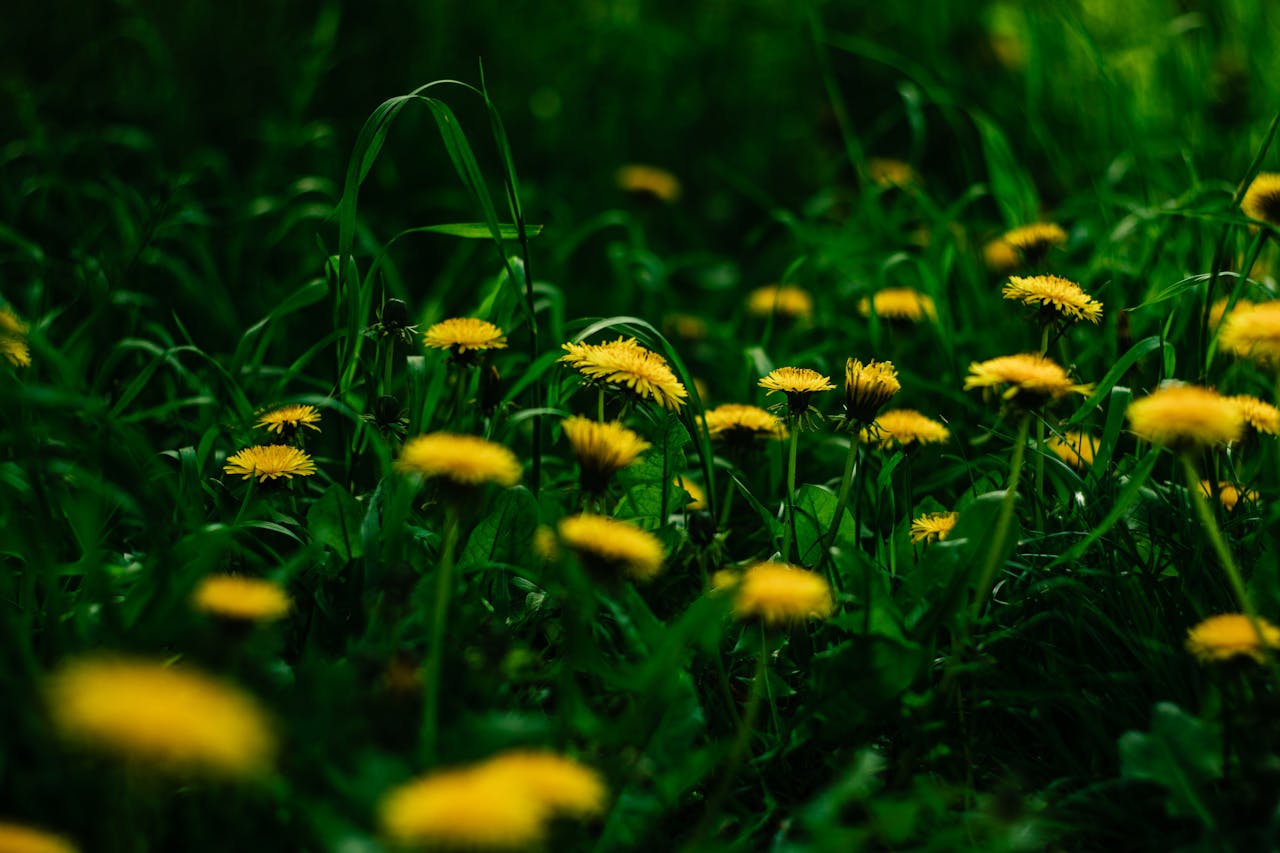
Dandelions: Pull Them or Spray Them?
Your yard is full of dandelions this spring. Here is what actually works, what doesn't, and when timing matters most.
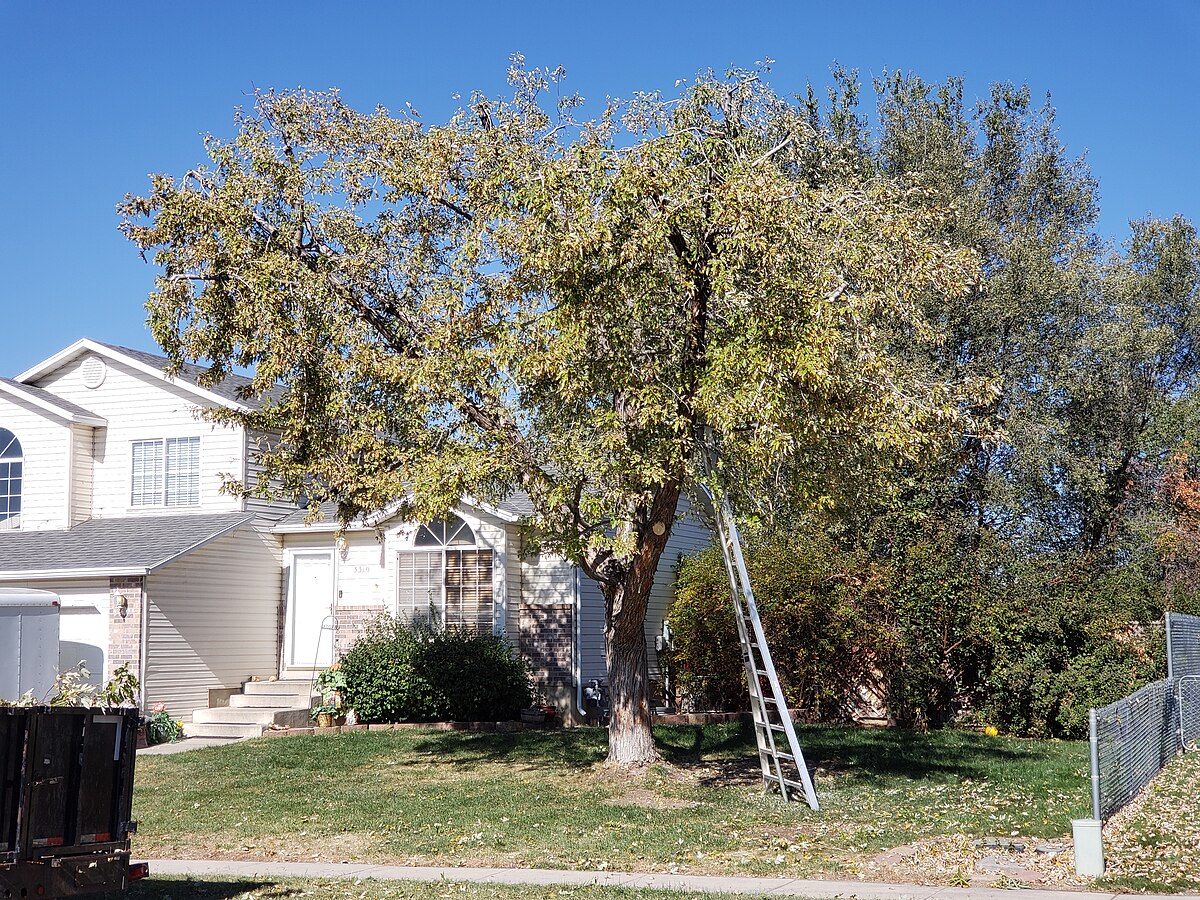
5 Signs Your Trees Need Professional Attention
Dead branches, trunk cracks, fungus, leaning, and root problems are warning signs every homeowner should know.
When Should You Start Mowing in Indiana?
Your first mow of the season sets the tone for your whole lawn. Learn the right timing, mowing height, and first-cut tips for northeast Indiana.
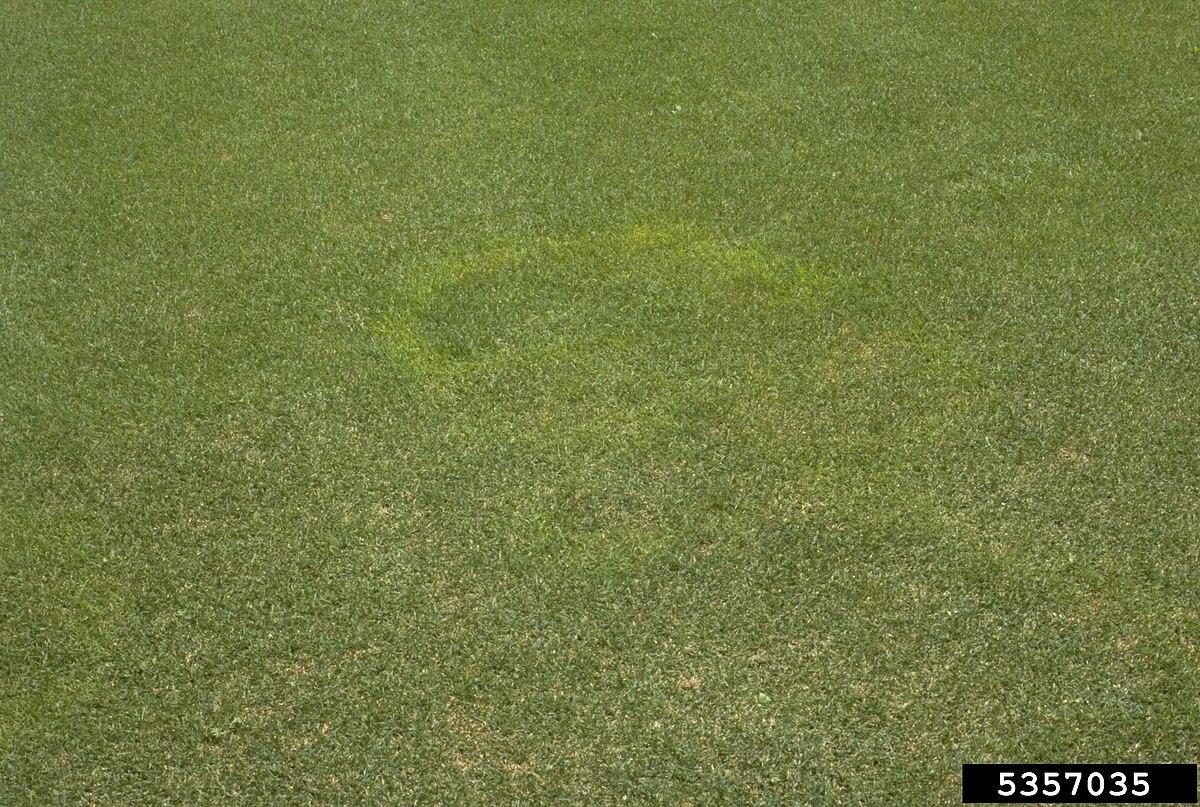
How to Fix Winter Damage to Your Lawn
Salt damage, snow mold, and bare spots are common after an Indiana winter. Here's how to identify and fix each one.
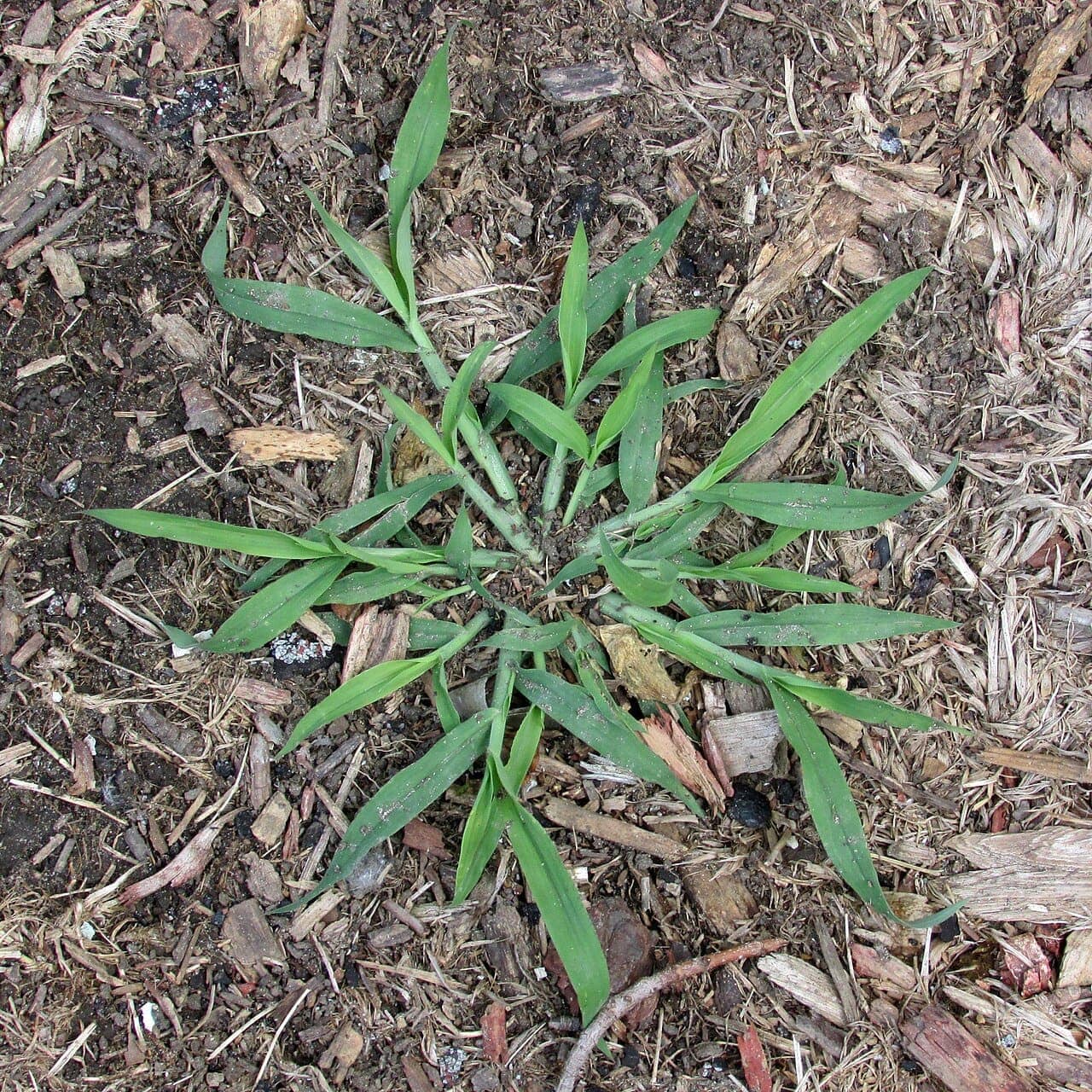
What Is Pre-Emergent and Why Does Your Lawn Need It?
Pre-emergent herbicide stops crabgrass before it starts. Learn how soil temperature timing works and when to apply in Northeast Indiana.
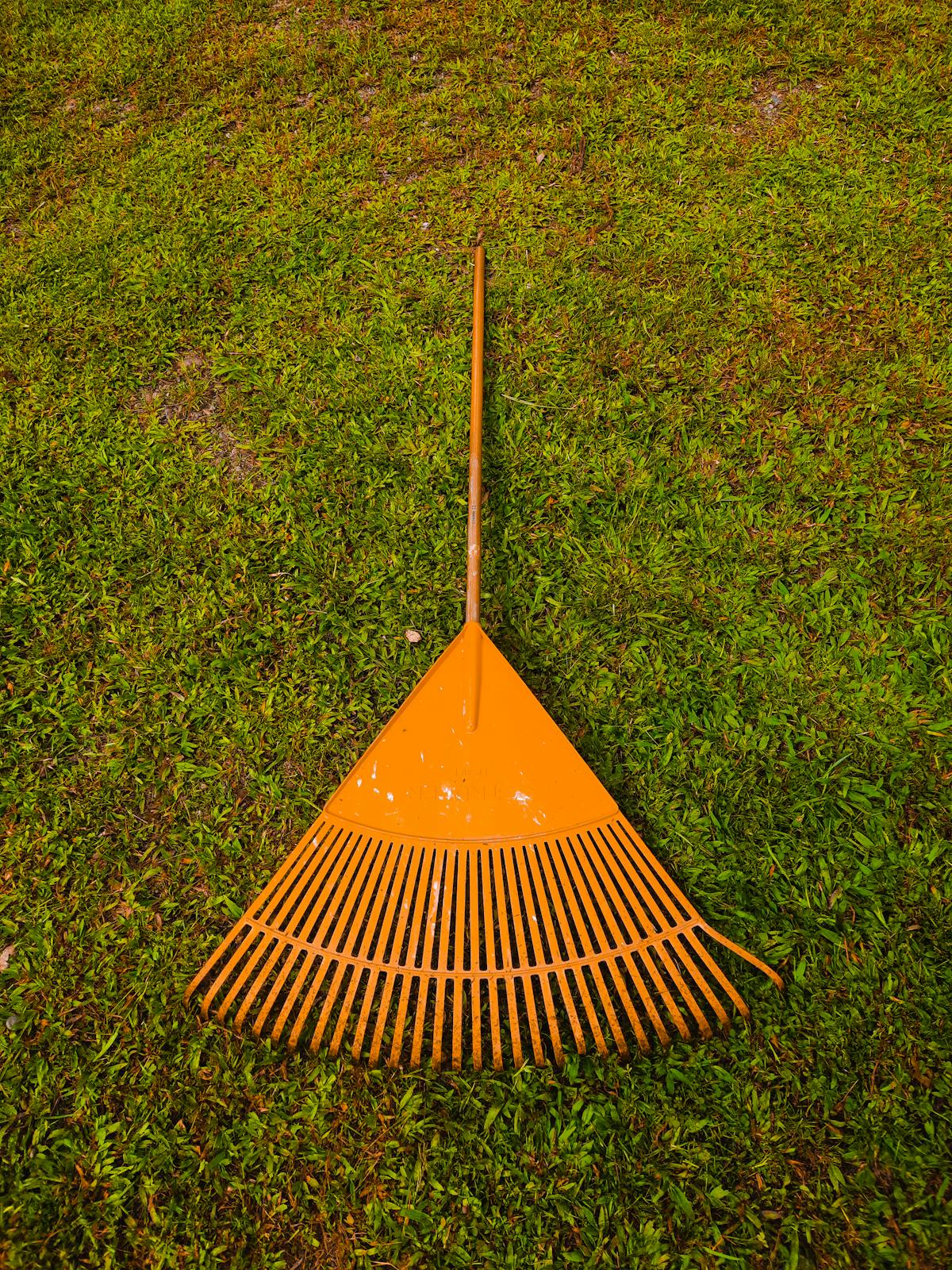
Why Spring Cleanup Matters More Than You Think
Debris removal, thatch assessment, and a first-look walkthrough set the tone for your entire lawn season.
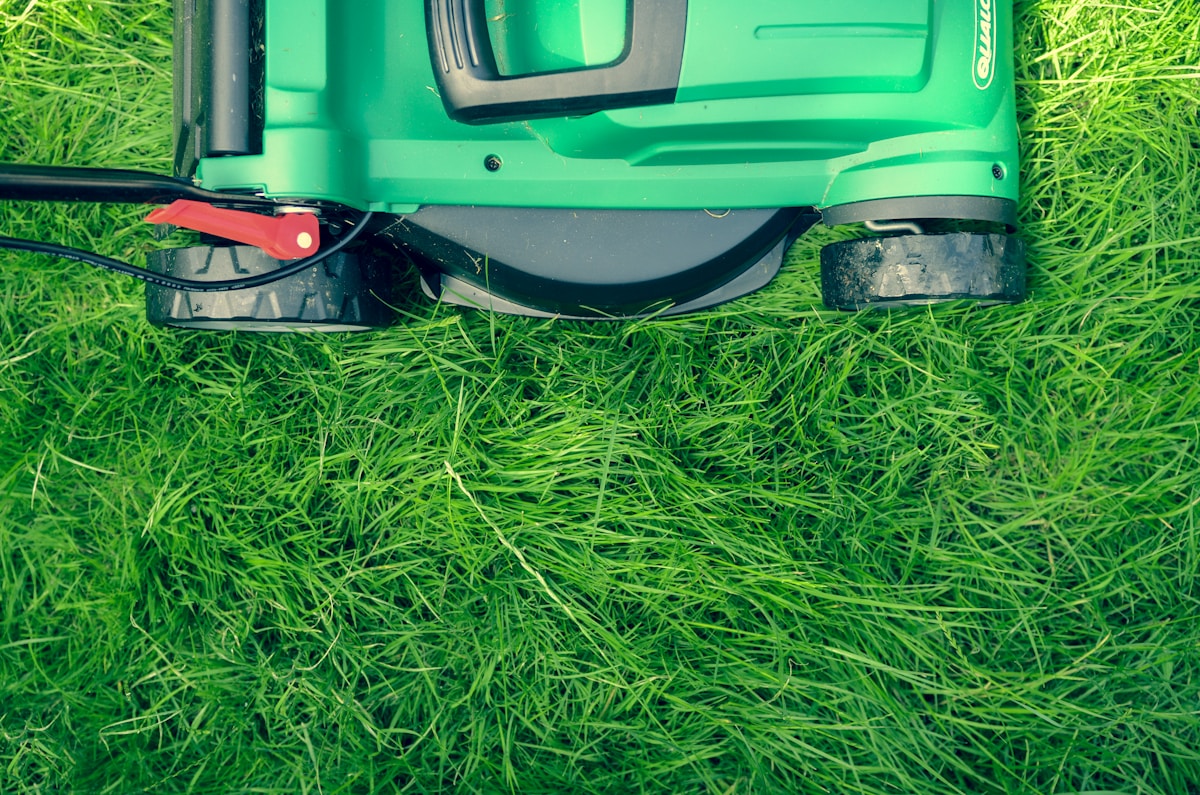
Are You Mowing Your Lawn Wrong? 5 Mistakes Most Homeowners Make
Purdue, Michigan State, and Iowa State turf scientists agree on 5 common mowing mistakes. Here's how to fix them.
How to Water Your Lawn the Right Way: The D.I.E.T. Method
Deep, Infrequent, Early, and Track. A simple method for a healthier Indiana lawn.
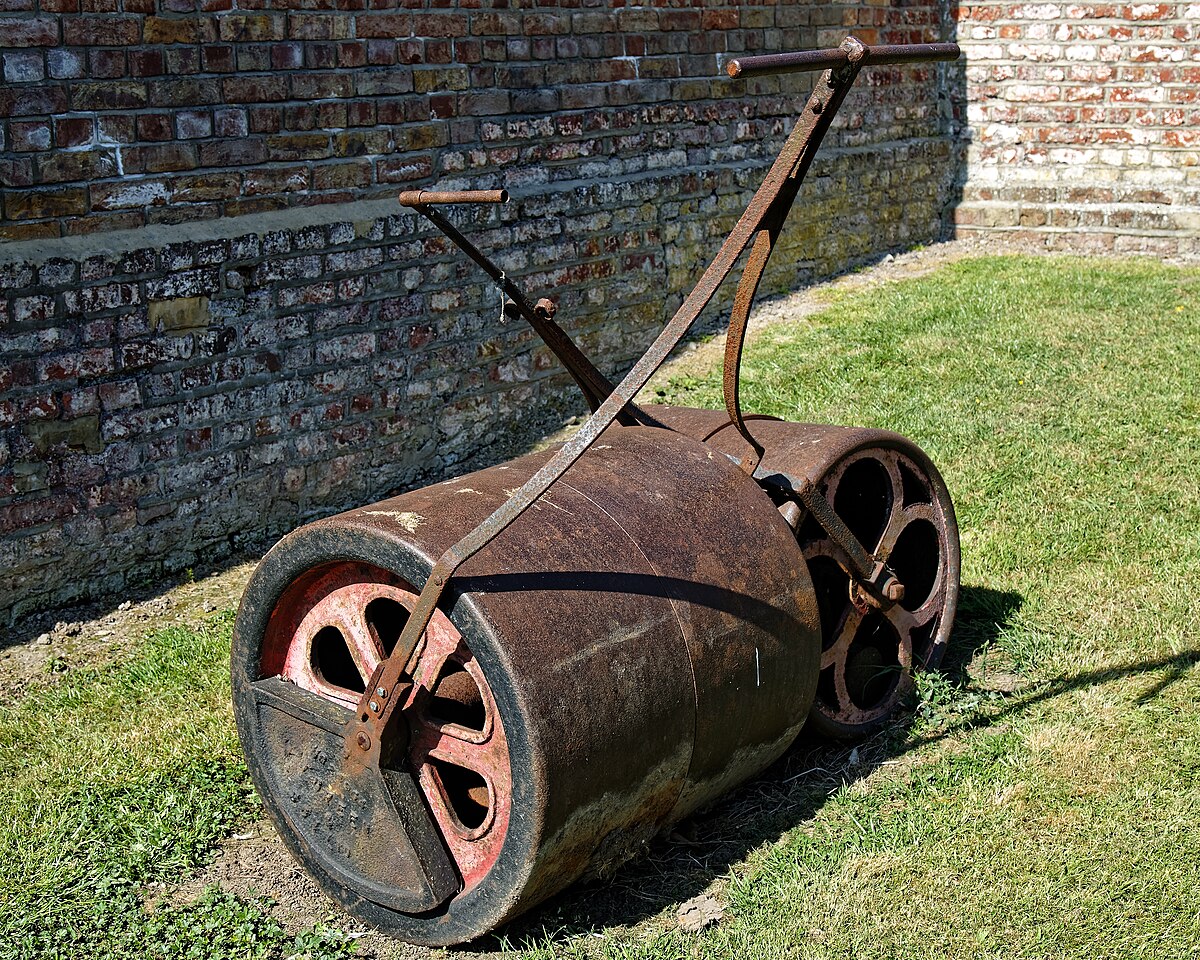
Should I Roll My Lawn This Spring?
Turf scientists at Purdue and Michigan State say rolling usually does more harm than good. Here's what to know.
Have a Question About Your Lawn?
We're always happy to talk it through over the phone.
Fort Wayne: 260-432-8900 | Marion: 765-660-8873