
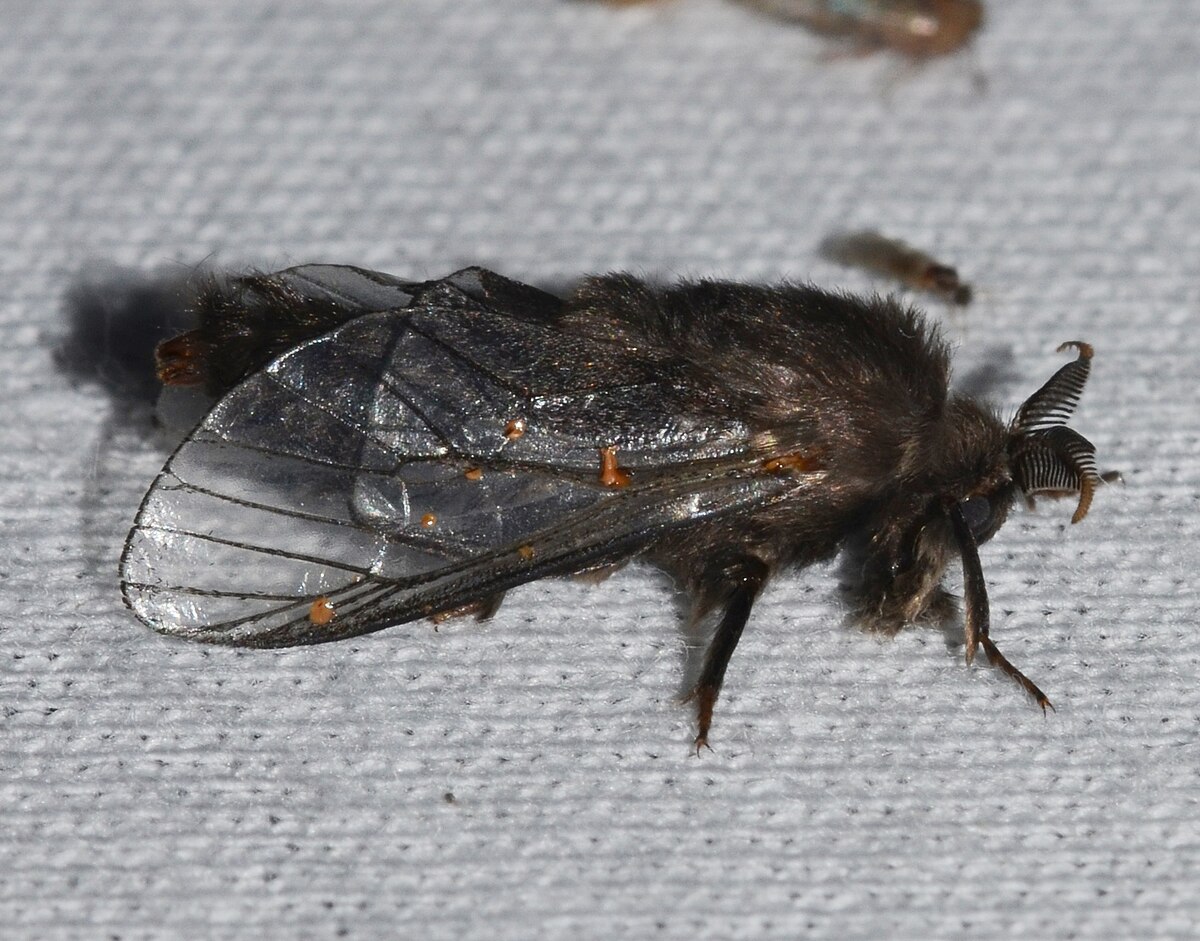
Your shrubs looked fine last fall. Now something is clearly wrong. Brown patches on the arborvitae, faded leaves on the boxwood, strange bumps along the stems. Across Fort Wayne and Marion, we see the same handful of pests behind most shrub damage, and they all share one thing in common: by the time you notice them, they have had a serious head start.
Bagworms: The Biggest Threat to Your Evergreens
If you have arborvitae, juniper, or spruce in your landscape, bagworms should be on your radar right now. They are the single most destructive shrub pest we deal with across northeast Indiana, and late May through June is when the damage begins.
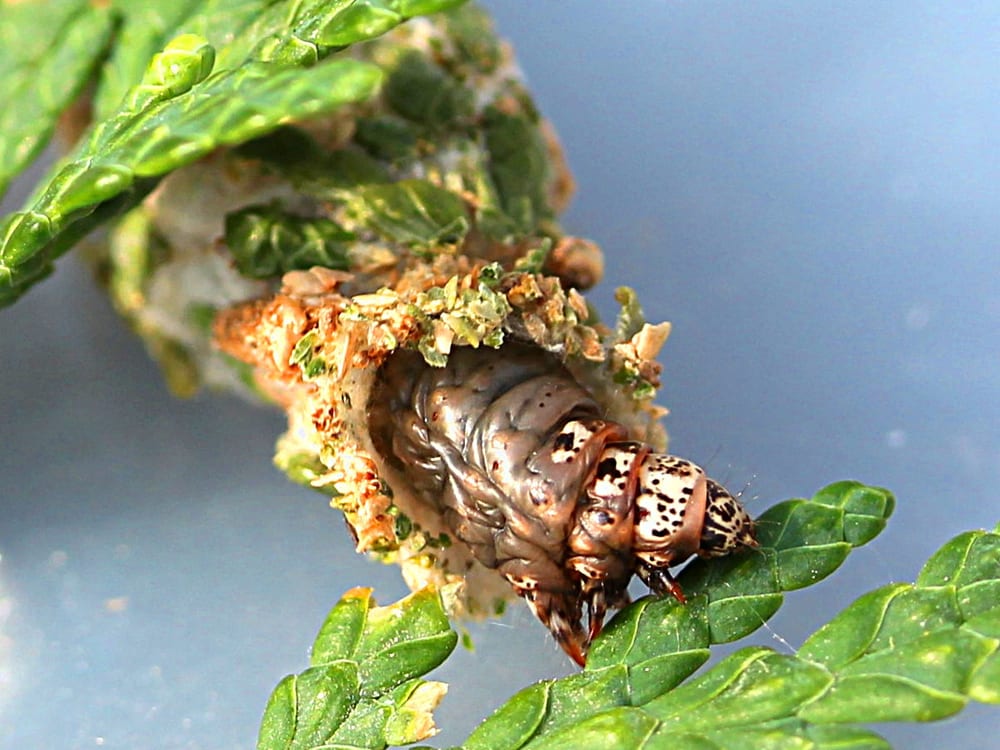
The Purdue Landscape Report describes the bagworm lifecycle in detail. Each female lays 500 to 1,000 eggs inside her spindle-shaped bag before dying in the fall. Those eggs overwinter right there on your shrub, and the tiny caterpillars hatch the following spring. In our part of Indiana, that means late May or early June.
Here is what makes bagworms so damaging. The newly hatched caterpillars immediately start feeding and building their own small bags from silk and bits of foliage. Ohio State's Buckeye Yard and Garden Line notes that the first-stage caterpillars are tiny, with bags measuring around an eighth of an inch. They look like little dunce caps. Most homeowners walk right past them without a second glance.
By late summer, those bags are two inches long and impossible to miss. But by then, the feeding damage is done. Ohio State also points out that bagworms feed on over 130 different plant species, not just evergreens. Evergreen shrubs take the worst hit, though, because they cannot regrow needles on bare branches. A heavily infested arborvitae can lose an entire side and never fill back in.
We see this on properties across Fort Wayne and Marion every summer. A row of arborvitae that looked great in April has brown, bare sections by August, all because the caterpillars got ahead of the treatment window. That window is narrow. Once the bags are fully formed, they act as armor that shields the caterpillars. Effective treatment has to happen while the caterpillars are small and actively feeding, roughly June through mid-July in northeast Indiana.
This is exactly the kind of problem where professional timing makes the difference between saving a shrub and replacing it.
Spider Mites: The Pest You Cannot See
Spider mites are almost invisible to the naked eye. Purdue Extension's publication on spider mites on ornamentals (E-42) describes the twospotted spider mite as only one-sixtieth of an inch long. You are not going to spot individual mites on your shrubs. But you will spot the damage.
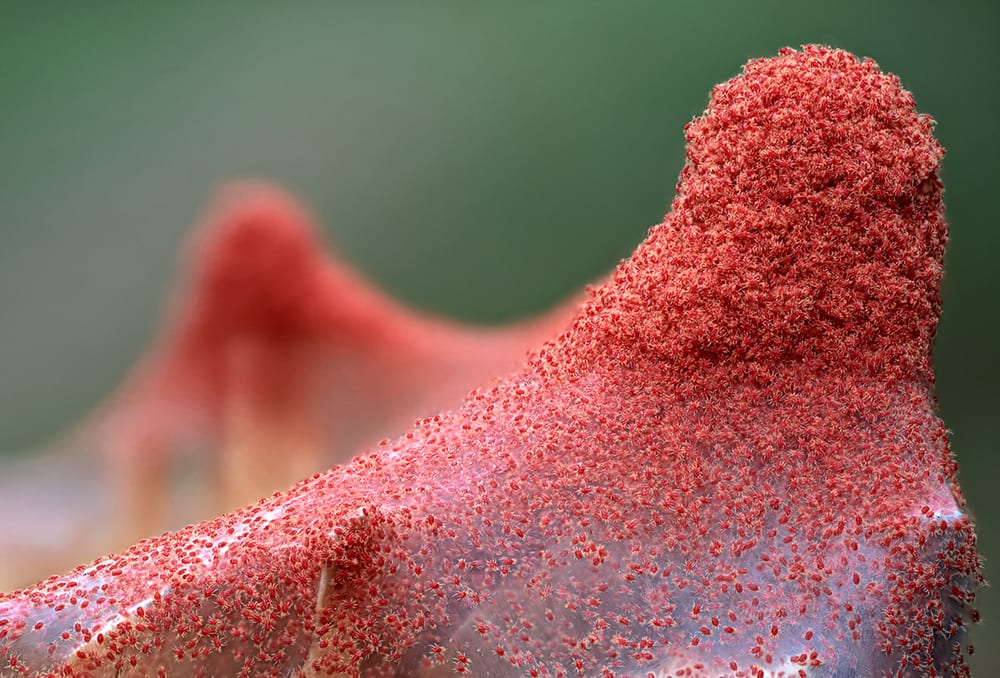
Leaves develop a stippled, washed-out look, as if the color has been drained out of them. If you flip a leaf over and look closely, you may see fine webbing on the underside, especially where branches are tightly packed together. That webbing is a telltale sign.
Michigan State Extension explains why mite problems seem to appear out of nowhere. Spider mite populations thrive during hot, dry summers. When temperatures climb and rain stops, mite numbers can explode from barely noticeable to severe in just a couple of weeks. In northeast Indiana, July and August are prime spider mite season.
Boxwood, burning bush, arborvitae, and many other ornamental shrubs are common targets. The damage happens so gradually that homeowners often assume their shrubs are just stressed from the heat or need more water. By the time the stippling is obvious across the plant, the mites have been feeding for weeks.
What makes spider mites especially tricky is that the wrong treatment approach can actually make things worse. Michigan State warns that broad-spectrum sprays can wipe out the natural predators that help keep mite populations in check, leading to even larger outbreaks afterward. Treating mites effectively takes knowledge of what you are dealing with and the right tools for the job. This is a textbook case of why professional shrub care beats guesswork.
Scale Insects: The Bumps That Are Not Bumps
Scale insects look nothing like insects. They look like tiny bumps or waxy spots on stems and branches. Most homeowners walk right past them, assuming they are part of the bark or a natural growth. But each one of those bumps is a living insect feeding on your shrub's sap.
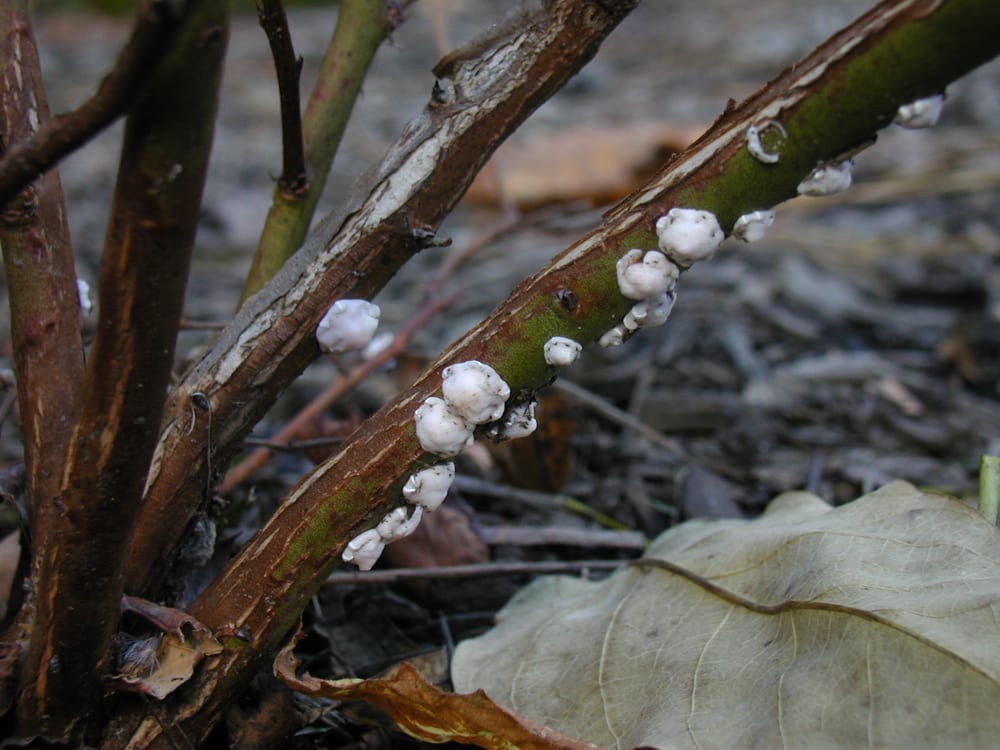
Purdue Extension's publication on scale insects (E-29) describes several species common in Indiana, including euonymus scale and oystershell scale. They all share the same basic strategy: attach to a branch, cover themselves with a hard protective shell, and quietly drain nutrients from the plant.
The Purdue Landscape Report highlights euonymus scale as a particularly common problem on winged euonymus, also known as burning bush, one of the most popular landscape shrubs in northeast Indiana. Heavy infestations cover stems and leaves with small white and brown scales, and the plant slowly declines over the course of several seasons.
The signs build gradually. Leaves yellow and drop early. Growth slows. Branches die back one at a time. Heavy infestations produce a sticky substance called honeydew, which then grows black sooty mold. If you have ever noticed a dark, sooty coating on branches or on the leaves of plants beneath an infested shrub, scale insects are often the cause.
Here is the detail that matters most. Scale insects have a brief crawler stage, the only point in their lifecycle when they are mobile and vulnerable to treatment. Once they settle down and build their protective shells, they are far harder to manage. The crawler window varies by species. Euonymus scale crawlers emerge in late May and June in Indiana. Oystershell scale crawlers show up a bit earlier. Missing the window means waiting for the next generation.
This is why scale problems persist year after year on so many properties. Without knowing which species is present and when its crawler stage occurs, treatment is a shot in the dark. Even identifying scale as the problem in the first place takes a trained eye.
Why These Pests Get Ahead of Homeowners
Bagworms, spider mites, and scale insects share a frustrating pattern. They are hard to see early, they feed quietly for weeks before damage shows, and they each have a narrow window when treatment is most effective. Miss that window and you are either dealing with permanent damage or waiting until next season for another chance.
That pattern is exactly why our tree and shrub program is built around proactive monitoring rather than reactive treatment after damage is already visible. We are on properties across Fort Wayne, Marion, and the surrounding communities throughout the growing season, watching for the signs that most homeowners would never notice: tiny bagworm bags on arborvitae in early June, the first stippling from spider mites in July, crawler activity from scale insects in late spring.
Catching these problems early is the difference between a simple treatment and a shrub that cannot be saved.
Worried About Your Shrubs?
Our tree and shrub program monitors for pests like these throughout the growing season. Give us a call at our Fort Wayne or Marion office.
Fort Wayne: 260-432-8900 | Marion: 765-660-8873
What to Look for Right Now
Late May and early June is the start of pest season for Indiana shrubs. Take a walk around your property this week and look closely at your landscape plants.
Tiny spindle-shaped bags on evergreens. Check your arborvitae, juniper, and spruce carefully. Bagworm caterpillars are hatching right now, and the small bags are easy to miss if you are not looking for them.
Faded, stippled leaves on ornamental shrubs. Flip a few leaves over and look for fine webbing. Spider mites are just getting started as the weather warms up.
Small bumps on stems that were not there before. Try scraping one off with a fingernail. If it comes off and there is a soft spot underneath, that is scale.
If you spot any of these, give us a call at our Fort Wayne or Marion office. Early identification is the single biggest factor in whether your shrubs come through the season healthy or end up needing replacement. Our team knows what to look for, when to act, and how to protect the investment you have in your landscape.
Sources
- Purdue Landscape Report, "Bagworms May Still Threaten Both Deciduous and Evergreen Trees and Shrubs"
- Purdue Extension E-42, "Spider Mites on Ornamentals"
- Purdue Extension E-29, "Scale Insects on Shade Trees and Shrubs"
- Purdue Landscape Report, "Scale Spotlight: Euonymus Scale"
- Ohio State Extension BYGL, "Ohio's Bagworm Season Starts Now"
- Michigan State Extension, "Spider Mite Populations Thrive in Hot Dry Summers"