Every fall, the same question comes up: when can I put the mower away? The answer is simpler than you might think, and it has nothing to do with the calendar. Your grass will tell you when it is done. The tricky part is what happens if you stop too early — or leave it too tall when you do.
Your Grass Decides, Not the Calendar
Cool-season grasses — Kentucky bluegrass, tall fescue, and perennial ryegrass — are what grow in Fort Wayne and Marion lawns. These grasses keep putting on blade growth as long as daytime temperatures stay above about 50 degrees Fahrenheit. Once temperatures drop below that mark consistently, top growth slows to a stop.
In northeast Indiana, that usually happens somewhere between late October and mid-November. Some years it is earlier. Some years the grass is still growing into Thanksgiving week. There is no fixed date because weather drives the timeline, not the calendar.
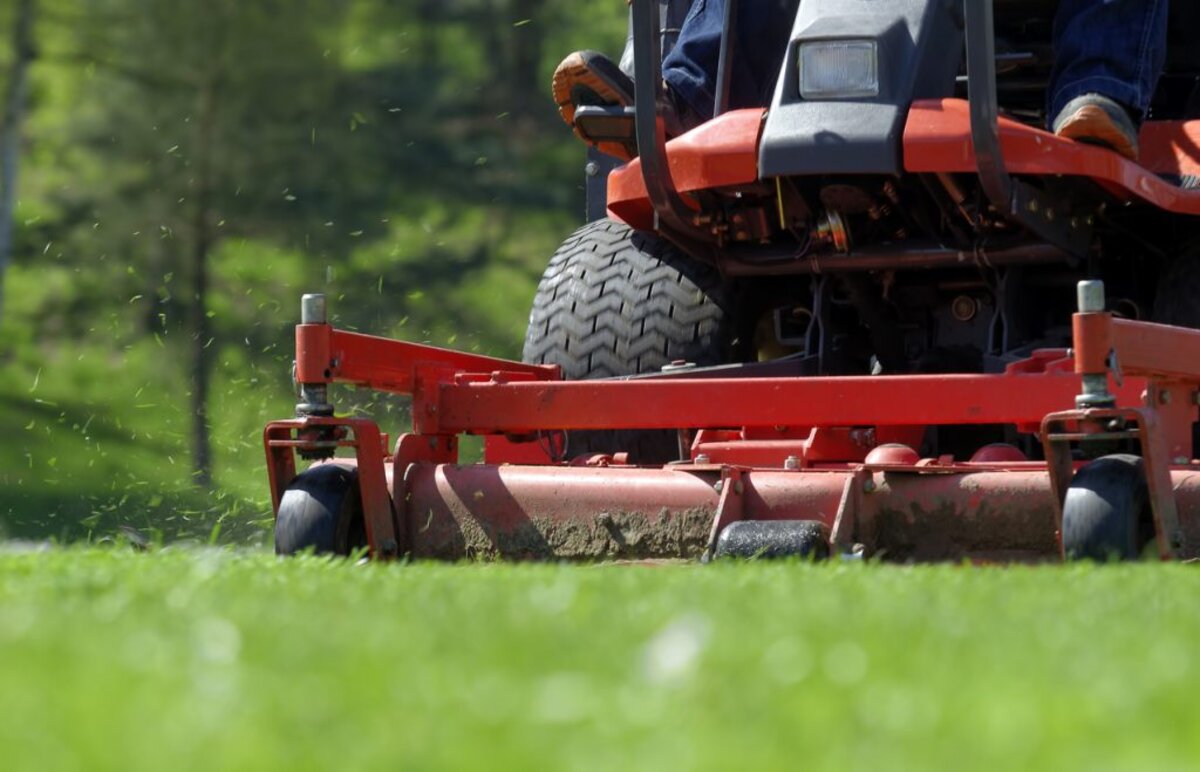
The rule is simple: keep mowing as long as the grass keeps growing. Purdue Extension recommends continuing to mow at the normal height until the grass stops growing, which is typically late October or early November in Indiana. If you are still taking clippings off the lawn, it is still growing and still needs to be cut.
What Height to Leave It At
This is where a lot of homeowners get tripped up. There is a common belief that you should scalp the lawn short on the last mow — cut it as low as the mower will go to "put it to bed" for winter. That is one of the worst things you can do.
Purdue's maintenance calendar for Indiana lawns (publication AY-27-W) recommends keeping your mowing height at 2.5 to 3.5 inches through the fall. The leaf blades are still doing important work right up until the grass goes dormant. They are capturing sunlight, running photosynthesis, and building the carbohydrate reserves your lawn needs to survive winter and green up strong in spring.
Cut the grass too short and you rob it of that energy-building capacity right when it matters most. Iowa State Extension puts it clearly: mowing well above or well below the recommended range causes problems. Too high, and the grass lays over on itself. Too short, and the plant cannot store enough energy for winter.
For your last mow, stay in that 2.5 to 3 inch range. Some turf specialists suggest dropping the height by about half an inch on the final cut to reduce matting, but never go below 2 inches.
What Happens If You Stop Too Early
This is the mistake we see most often across Fort Wayne and Marion in the fall. The weather turns cool, homeowners assume mowing season is over, and the mower goes into the garage in early October. But the grass is still growing. Maybe not as fast as it was in May, but it is still putting on height.
When grass goes into winter too tall, a few things go wrong.
Snow mold. Tall grass that flops over under snow creates the perfect conditions for snow mold — a fungal disease that shows up as circular gray or pink patches when the snow melts in spring. Iowa State Extension notes that mowing at the recommended height throughout fall is one of the best ways to minimize snow mold problems. Keeping the thatch layer thin and raking up fallen leaves also helps.
Vole damage. Meadow voles — the small rodents that leave those narrow trails across your lawn in spring — love tall grass. It gives them cover and food. Iowa State's natural resources program confirms that regular mowing is the best way to keep vole populations low. Tall weeds and unmowed grass next to lawns and gardens provide the food and cover voles need to thrive.
Matting and smothering. Long grass blades that mat down over winter block air and light from reaching the crown of the plant. That leads to thin, weak turf in spring — exactly the kind of lawn that weeds move into first.
What About the Leaves?
If you are still mowing into late October and early November, you are probably mowing through leaves too. That is actually a good thing. Purdue's maintenance calendar recommends continuing to mulch leaves into the turf through the fall season. A mulching mower chops leaves into small pieces that break down into the soil over winter, adding organic matter and returning nutrients.
The key is not letting the leaf layer get so thick that it smothers the grass underneath. If you can still see grass blades poking through after you mow, you are fine. If the chopped leaves are forming a solid mat, you may need to mow more often or bag some of the excess.
One thing we hear a lot: "I will just do one big mow after all the leaves have fallen." The problem with waiting is that a thick blanket of whole leaves sitting on the lawn for weeks blocks sunlight and traps moisture. That combination invites disease and weakens the turf heading into winter. Staying on a regular mowing schedule through leaf fall is much better for the lawn.
Why the Last Mow Matters for Spring
Here is the part most homeowners do not think about: what you do with the mower in October and November directly affects what your lawn looks like in April.
A lawn that goes into winter at the right height — not too tall, not too short — comes out of dormancy with a head start. The crown and root system had enough leaf area to build energy reserves in fall. The grass did not mat down under snow. Snow mold did not get a foothold. Voles did not set up camp.
That lawn greens up faster, fills in thicker, and gives weeds less room to germinate. The lawn that was left too tall or cut too short? It spends the first weeks of spring recovering instead of growing, and that is when crabgrass and broadleaf weeds take hold.
This is also why your last mow of the season pairs so well with a fall fertilization program. The nitrogen your lawn receives in late fall goes straight into root development and energy storage — the same reserves that a proper mowing height protects. One without the other leaves something on the table.
A Quick Checklist for the Final Weeks
As we move through late October and into November here in Fort Wayne and Marion, here is what to keep in mind:
- Keep mowing as long as the grass is still growing. If you are picking up clippings, do not stop yet.
- Stay at 2.5 to 3 inches. Do not scalp the lawn for the last mow. Drop it half an inch at most on the final cut.
- Mulch leaves as you go. Do not wait for every leaf to fall before running the mower.
- Keep the blade sharp. A clean cut matters even more in cool weather because the grass heals more slowly.
- Watch the weather, not the calendar. Growth stops when daytime highs stay below about 50 degrees consistently.
Setting Your Lawn Up for Next Spring
The last mow of the season is not just an ending — it is part of the setup for next year. When you combine proper late-season mowing with our fall treatment programs, the lawn goes into winter with everything it needs: the right height, strong roots, stored energy, and a clean start come spring.
Our team is running fall fertilization and weed control programs across Fort Wayne and Marion right now. If your lawn has not had its late-fall feeding yet, the window is still open. Give us a call at either our Fort Wayne or Marion office and we will get you on the schedule before the ground freezes.
Sources
- Purdue Extension AY-27-W, "Maintenance Calendar for Indiana Lawns"
- Purdue Extension, Whitley County, "Ending Lawn Activities and Looking Toward Spring"
- Purdue College of Agriculture, "Expert Tips from Cale Bigelow and the Purdue Turf Team on Preparing Your Lawn for Fall"
- Iowa State Extension, "When Can I Stop Mowing the Lawn in Fall?"
- Iowa State Extension, "Snow Mold"
- Iowa State Extension Natural Resources, "Vole Tracks in Grass"