If your lawn looks rough right now, you are not alone. Across Fort Wayne and Marion, homeowners are stepping outside to find brown patches, dead strips along sidewalks, and matted circles of slimy grass. The good news? Most winter damage is fixable. The key is knowing what you are looking at and what to do about it.
Why Indiana Lawns Take a Beating Every Winter
Northeast Indiana winters are hard on cool-season grasses like Kentucky bluegrass and tall fescue. Months of snow cover, repeated freeze-thaw cycles, road salt, and foot traffic all take their toll.
Purdue Extension's Maintenance Calendar for Indiana Lawns (AY-27-W) notes that early spring is the time to assess winter damage and plan your recovery strategy. The sooner you identify the problem, the sooner your lawn can bounce back.
Let us walk through the most common types of winter damage we see on properties across Fort Wayne and Marion every spring — and how to fix each one.
Snow Mold: Those Slimy Gray or Pink Patches
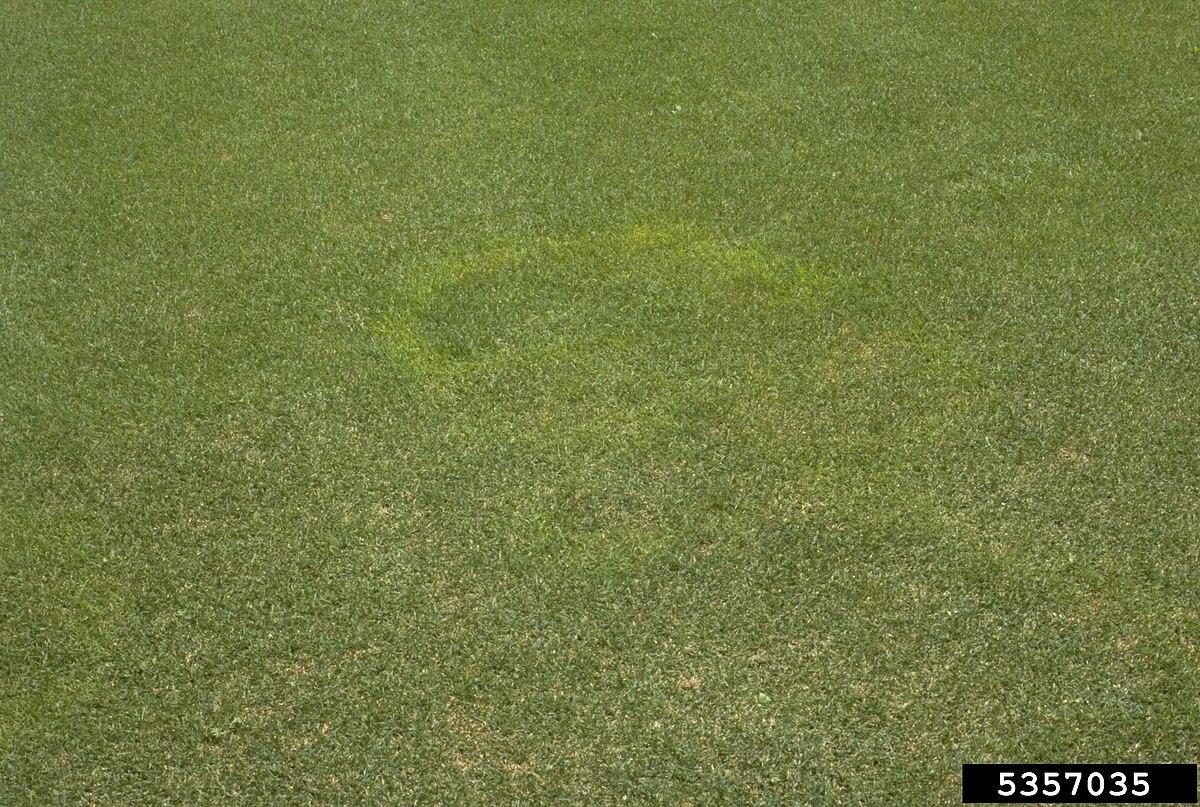
Snow mold is the most common disease we see after Indiana winters. It shows up as circular patches of matted, discolored grass, usually a few inches to a couple of feet across. The grass looks slimy or crusty, and you might see a white or grayish film on the blades.
There are two types. Gray snow mold is caused by the fungus Typhula and needs extended snow cover to develop. Pink snow mold is caused by Microdochium nivale and can show up even without snow if conditions are cool and wet. Purdue Extension describes both in detail in their disease profiles (BP-101-W and BP-102-W).
The fix for snow mold is surprisingly simple:
Rake the affected areas lightly. Use a leaf rake to break up the matted grass and let air reach the turf. This helps the area dry out, which stops the fungus from spreading. Do not use a garden rake — you will tear up the crowns of the grass plants underneath.
Be patient. In most cases, the grass crowns and roots are still alive beneath the damage. Once temperatures warm up and the turf starts actively growing, those patches usually fill in on their own. Purdue notes that gray snow mold rarely kills the grass outright — it mainly damages the leaf blades, which the plant replaces as it grows.
Pink snow mold can be more aggressive and may kill the crowns in severe cases. If your patches still look dead after three to four weeks of warm weather, you may need to overseed those spots.
Salt Damage: Brown Strips Along Walks and Driveways
If you see dead or thin grass in strips along your sidewalk, driveway, or street, salt is almost certainly the cause. Road salt and deicing products splash onto the turf all winter long, and the damage shows up as soon as the snow melts.
Sodium chloride pulls moisture out of grass roots and disrupts nutrient uptake. The University of Minnesota Extension explains that salt draws water away from plant roots through osmosis, essentially dehydrating the grass even when the soil is wet. The result is brown, crispy grass in a pattern that follows wherever the salt landed. You will often see it worst on the side closest to the road, where plows throw salty slush onto your lawn.
Here is what to do:
Flush the area with water. Once the ground thaws and temperatures are consistently above freezing, water the affected strips deeply — about an inch of water at a time, repeated a few times over a couple of weeks. This helps wash the excess sodium down through the soil profile and away from the root zone. The University of Minnesota Extension recommends this flushing approach as the most effective remedy for salt-damaged turf.
Do not fertilize yet. It is tempting to throw down fertilizer on those brown strips, but Purdue's maintenance calendar says to wait until the lawn has been mowed two or three times before your first fertilizer application. When it comes to fertilizer timing, soil temperature needs to be consistently above 55 degrees Fahrenheit before fertilizer does any good.
Overseed the dead areas. If the grass along your walks and driveway does not green up after flushing, those areas will need to be reseeded. We will cover how below.
For next winter, consider switching to a calcium chloride or calcium magnesium acetate deicer. These are less damaging to turf than traditional rock salt. You can also apply deicers more sparingly — a little goes a long way.
Bare Spots and Dead Patches: How to Reseed
Whether the damage came from salt, snow mold, voles, heavy foot traffic, or just a rough winter, the repair comes down to one question: how big is the damage?
For hand-sized patches, the fix is simple enough to do yourself. Iowa State Extension's guide on managing dead patches in spring boils down to this: rake out the dead material so seed can reach bare soil, loosen the surface, spread a seed blend suited to Indiana lawns, press it in lightly, and keep it moist until it sprouts. Spring seeding has a narrower window than fall seeding — Purdue's maintenance calendar puts the best window before summer heat arrives — so if you are reading this in early April, now is the time.
For anything bigger than a few hand-sized patches, hand seeding is slow, spotty work. The play is core aeration paired with overseeding — exactly what we do — which gets seed-to-soil contact across the whole damaged area at once instead of patch by patch.
Vole Damage: Narrow Trails Through the Grass
Voles are small rodents that tunnel through your lawn under the snow. When the snow melts, you will see narrow trails of dead grass crisscrossing the yard. It can look alarming, but vole damage is usually cosmetic.
Michigan State Extension notes that vole trails almost always recover on their own once the grass starts growing. The voles ate the leaf blades, but they did not kill the crowns or roots. Just give the turf a light raking to stand the grass back up, and it should fill in within a few weeks.
If you had severe vole activity with large areas of dead grass, you may need to reseed as covered above. But for most lawns, patience is all you need.
Frost Heave: When the Ground Looks Bumpy
Freeze-thaw cycles can push soil upward in uneven mounds, a process called frost heave. Your lawn might feel bumpy or uneven when you walk across it in early spring.
Do not roll it. We covered this in detail in our article on lawn rolling, but it bears repeating: rolling compacts the soil and does more harm than good. Purdue and Michigan State Extension both advise against rolling in nearly all situations.
Most frost heaving settles on its own as the soil thaws and dries. If you have a few severely heaved areas, you can gently press them down by hand or foot, but avoid working on the lawn when the soil is still saturated — you will cause compaction.
When to Call for Help
Some of this you can handle yourself — and some of it is exactly what we do. Rake, flush, seed, water, and wait. But some situations are worth a professional look:
Large areas of dead turf. If more than 30 to 40 percent of your lawn is damaged, the right equipment — core aeration, overseeding, and fertilization — gives much better results than hand seeding. This is a job where professional equipment makes a real difference.
Recurring snow mold. If you see snow mold in the same spots every spring, there may be underlying drainage or soil issues that need attention. We see this pattern on properties across Fort Wayne and Marion, and it usually points to compacted soil or poor air circulation.
Mystery damage. If you are not sure what you are looking at — whether it is disease, insect damage, or something else — give us a call at either our Fort Wayne or Marion office. Misdiagnosing the problem can lead to treatments that waste money and do not help. We would rather take a look and point you in the right direction.
A Quick Timeline for Spring Recovery
Here is a realistic timeline for fixing winter damage in Northeast Indiana:
Early April (now): Walk the lawn, assess damage, rake snow mold patches, begin flushing salt-damaged areas.
Mid-April: Overseed bare spots once soil temperatures are consistently above 50 degrees. Begin regular watering of seeded areas.
Late April to early May: Start mowing once the lawn is actively growing. Keep new seedlings at 3 inches. Apply pre-emergent to established areas only — pre-emergent will prevent your grass seed from germinating too.
Late May: Seeded areas should be filling in. Transition to a normal mowing and watering schedule. Your lawn should be looking much better.
The biggest mistake people make is doing nothing. A little attention now saves you from fighting a thin, weedy lawn all summer long.
Need Help With Winter Damage?
We're happy to take a look and point you in the right direction — whether it's a DIY fix or something we can help with.
Fort Wayne: 260-432-8900 | Marion: 765-660-8873
Sources
- Purdue Extension AY-27-W, "Maintenance Calendar for Indiana Lawns"
- Purdue Extension BP-101-W, "Gray Snow Mold (Typhula Blight)"
- Purdue Extension BP-102-W, "Pink Snow Mold (Microdochium Patch)"
- Iowa State Extension, "Managing Large Brown or Dead Patches of Grass in Spring"
- Michigan State Extension, "Spring Lawn Care Tips" — vole damage recovery and spring raking guidance
- University of Minnesota Extension, "Salt Damage to Lawns, Gardens, and Landscapes"